ALSO IN THE NEWS

Somalia's Press Freedom Under Threat: Journalists Face Intimidation, Censorship and Political Pressure
 0
Tuesday November 17, 2026 - 02:56:44 in Latest News by Super Admin
- Visits: 29
-

- Share

Freedom of the press in Somalia is facing renewed scrutiny amid concerns over intimidation, censorship, political interference and the use of government authority against independent media organisations.
The controversy surrounding the reported revocation of Radio Geed Fadhi’s broadcasting licence has intensified fears that journalists who question political leaders could face administrative sanctions, threats or restrictions on their professional activities.
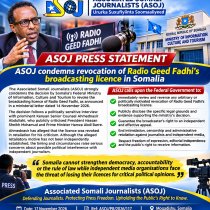
The Associated Somali Journalists (ASOJ) has condemned the decision attributed to Somalia’s Federal Ministry of Information, Culture and Tourism, warning that restrictions on independent journalism could undermine democratic accountability and the public’s right to information.
Journalists Caught Between Political Power and Professional Independence
Independent journalism plays a vital role in exposing corruption, investigating abuses of authority and holding public officials accountable.
However, journalists working in politically unstable environments may face pressure from powerful individuals seeking to influence editorial decisions, suppress sensitive information or prevent critical reporting.
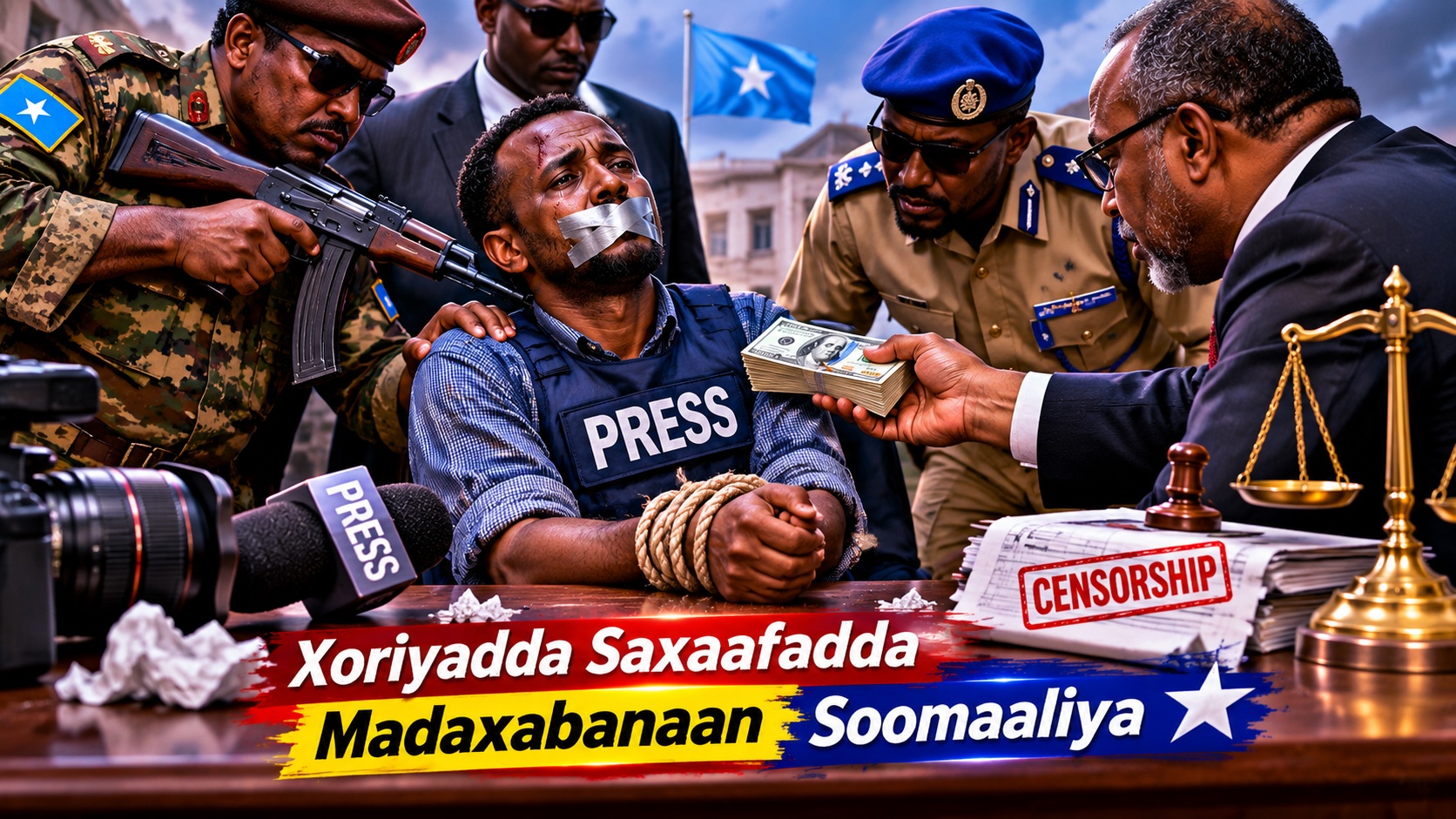
Such pressure can take different forms, including threats, intimidation, arbitrary detention, administrative restrictions and financial inducements intended to compromise editorial independence.
Bribery and political patronage can be particularly damaging to journalism when financial incentives are used to encourage favourable reporting or discourage investigations.
These practices threaten not only individual journalists but also the credibility of media institutions and public confidence in independent reporting.
Although these are recognised risks to press freedom, allegations of specific incidents require independent evidence and investigation.
Radio Geed Fadhi Case Raises Serious Questions
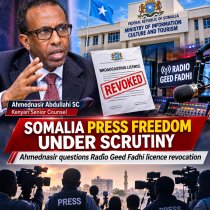
The latest controversy follows a letter dated November 14, 2026, attributed to Somalia’s Ministry of Information, Culture and Tourism, announcing the revocation of Radio Geed Fadhi’s broadcasting licence.
The decision followed an interview with prominent Kenyan Senior Counsel Ahmednasir Abdullahi, who criticised President Hassan Sheikh Mohamud and Prime Minister Hamza Abdi Barre.
Ahmednasir publicly alleged that the government targeted the broadcaster in retaliation for airing his criticism of the country's political leadership.
The ministry's circulated letter refers to media regulations and national security obligations. However, the precise connection between those grounds and the interview has not been independently established.
The authenticity of the original ministerial letter also remains subject to direct confirmation.
The case has nevertheless raised important questions about whether broadcasting regulations are being applied impartially and whether independent media outlets have access to transparent procedures and effective legal remedies.
Threats and Censorship Must Not Replace the Rule of Law
Freedom of expression is protected under Article 18 of Somalia’s Provisional Constitution and Article 19 of the International Covenant on Civil and Political Rights.
Governments may impose certain restrictions on expression for legitimate purposes, including national security, but such measures must meet strict legal requirements of necessity and proportionality.
Journalists must be able to question political leaders, investigate allegations of wrongdoing and report on matters of public interest without unlawful interference.
Armed intimidation, coercion, threats and arbitrary censorship are incompatible with the principles of independent journalism.
Similarly, attempts to purchase favourable coverage or suppress reporting through financial inducements undermine editorial integrity.
ASOJ Calls for Protection of Independent Journalism
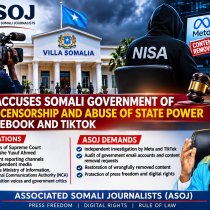
The Associated Somali Journalists (ASOJ) has called for greater protection of media freedom and accountability in the handling of broadcasting disputes.
The organisation has urged the Federal Government to clarify the legal grounds for the Radio Geed Fadhi licence revocation, ensure access to an independent appeal process and protect journalists from intimidation and politically motivated interference.
ASOJ has also called on international press freedom organisations, including UNESCO, the Committee to Protect Journalists and Reporters Without Borders, to monitor developments affecting independent journalism in Somalia.
The organisation maintains that a free press is essential to democratic governance, transparency and the protection of fundamental rights.
Independent Journalism Is Essential to Somalia’s Future
Somalia continues to face significant political, constitutional, economic and security challenges.
At such a critical moment, independent media organisations have an important responsibility to provide accurate information, investigate public concerns and ensure that competing political perspectives can be heard.
When journalists are silenced through fear, pressured through financial influence or prevented from reporting on matters of public interest, society loses an essential mechanism for holding power accountable.
A journalist should never have to choose between personal safety, professional independence and the responsibility to report the truth.
Protecting press freedom requires more than constitutional guarantees. It requires effective legal safeguards, independent institutions and a commitment by public authorities to respect legitimate criticism.
Somalia cannot build a transparent and accountable political system while journalists face intimidation, censorship or pressure to surrender their editorial independence.
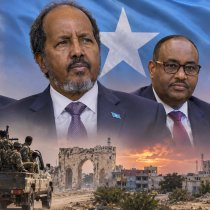
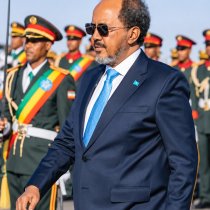
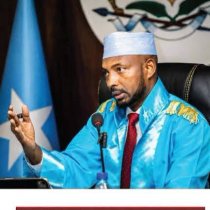
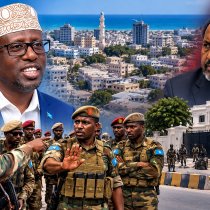
The accompanying illustration symbolises threats to press freedom and does not document a verified incident involving the individuals or institutions depicted.











Somalia's Press Freedom Under Threat: Journalists Face Intimidation, Censorship and Political Pressure
Freedom of the press in Somalia is facing renewed scrutiny amid concerns over intimidation, censorship, political interference and the use of government authority against independent media organisations.