ALSO IN THE NEWS

Press Freedom Under Threat in Somalia as Government Revokes Radio Geed Fadhi Licence Following Interview with Prominent Kenyan Lawyer
 0
Tuesday November 17, 2026 - 02:22:06 in Latest News by Super Admin
- Visits: 33
-

- Share
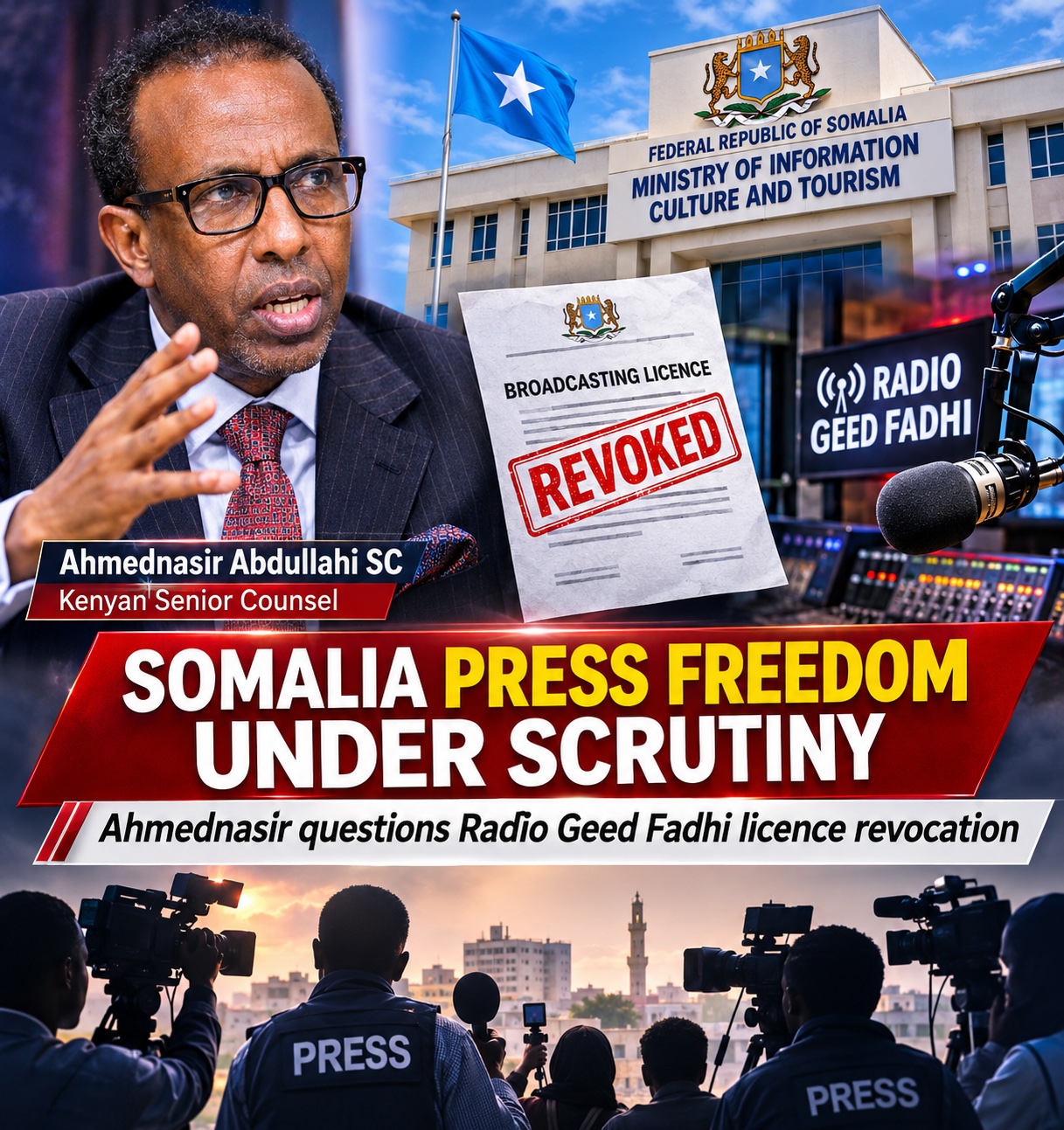

Ahmednasir Abdullahi accuses President Hassan Sheikh Mohamud and Prime Minister Hamza Abdi Barre of retaliating against an independent broadcaster amid Somalia's deepening constitutional crisis.
Press freedom in Somalia has come under renewed scrutiny following the reported revocation of Radio Geed Fadhi’s broadcasting licence by the Federal Ministry of Information, Culture and Tourism, shortly after the station aired an interview with prominent Kenyan Senior Counsel Ahmednasir Abdullahi, who sharply criticised the country's political leadership.
A ministerial letter dated November 14, 2026, circulated publicly and bearing the ministry’s official identification, announces the withdrawal of Radio Geed Fadhi’s broadcasting licence. The decision has also been reported by Somali media.
The development has sparked concerns about freedom of expression, government accountability and the ability of independent journalists to question political leaders without fear of administrative retaliation.
Kenyan Senior Counsel Ahmednasir Condemns Government Action
Ahmednasir Abdullahi, one of Kenya’s most prominent lawyers and an influential voice in East African constitutional and political affairs, publicly condemned the decision in a statement published on X on November 16.
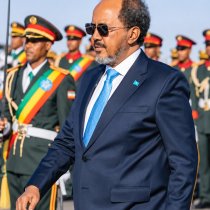
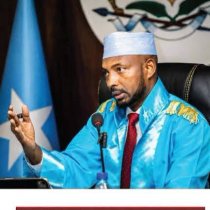
He accused President Hassan Sheikh Mohamud and Prime Minister Hamza Abdi Barre of targeting Radio Geed Fadhi following an interview in which he criticised their leadership, raised allegations of corruption and questioned the constitutional legitimacy of the current administration.
Ahmednasir argued that the broadcasting licence had been withdrawn because the station provided him with a platform to express views critical of Somalia’s senior political figures.
His allegations have intensified concerns that media regulation could be used to discourage independent political reporting.
However, the allegation that the licence revocation was personally ordered by the President or Prime Minister as retaliation for the interview has not been independently established.
Ministry of Information Issues Licence Revocation Letter
The November 14 document attributed to Somalia’s Ministry of Information, Culture and Tourism is titled Revocation of Radio Geed Fadhi’s Broadcasting Licence.
The letter refers to regulatory obligations and previous government directives concerning media activities and national security, including restrictions relating to the dissemination of Al-Shabaab propaganda.
The document indicates that the ministry has taken administrative action against the broadcaster.
Although the letter has circulated publicly and the licence revocation has been reported by Somali media, independent authentication of the original ministerial document remains outstanding.
More importantly, the available information does not establish whether the specific grounds cited by the ministry are directly connected to Ahmednasir’s interview.
The distinction is central to determining whether the decision represents legitimate enforcement of broadcasting regulations or an infringement of press freedom.
Freedom of Expression Faces Growing Uncertainty
The Radio Geed Fadhi controversy raises serious questions about the future of independent journalism in Somalia.
A functioning democratic society requires journalists to question public officials, investigate allegations of wrongdoing and provide platforms for competing political opinions.
Under Article 19 of the International Covenant on Civil and Political Rights, freedom of expression includes the right to seek, receive and impart information and ideas.
Although international law permits certain restrictions for legitimate purposes, including national security, such restrictions must be lawful, necessary and proportionate.
The use of broadcasting regulations to punish legitimate political criticism would be inconsistent with those protections.
If Radio Geed Fadhi lost its licence solely because it interviewed a government critic, the action would represent a serious threat to media independence.
Constitutional Crisis Adds to Political Tensions
The controversy comes amid an escalating constitutional dispute involving President Hassan Sheikh Mohamud, opposition political groups and Somalia’s judiciary.
A reported Supreme Court ruling issued on November 5 challenged the legality of constitutional amendments extending presidential and parliamentary terms.
Opposition leaders have relied on the ruling to question the President’s continued constitutional authority, while the Federal Government has rejected that interpretation.
The dispute has been further complicated by the removal of Supreme Court Chief Justice Bashe Yusuf Ahmed and allegations of interference with judicial independence.
A November 12 statement attributed to independent United Nations human rights experts criticised the reported interference and called for the protection of judicial independence.
Against this background, the withdrawal of a broadcaster’s licence following a politically sensitive interview risks deepening public mistrust in government institutions.
Ahmednasir’s Intervention Draws Regional Attention
Ahmednasir’s public intervention gives the controversy a regional dimension.
As a prominent Kenyan Senior Counsel, his criticism reaches audiences beyond Somalia and draws attention to the relationship between constitutional governance, media freedom and political accountability in the Horn of Africa.
His accusations remain allegations requiring independent examination.
Nevertheless, the sequence of events surrounding his interview and the subsequent licence revocation warrants public scrutiny.
The Federal Ministry of Information should clarify the specific legal grounds for its decision, identify the alleged regulatory violations and explain whether Radio Geed Fadhi was afforded an opportunity to respond or appeal.
A Critical Test for Independent Media
The implications of the Radio Geed Fadhi case extend beyond the future of one broadcasting organisation.
When independent media outlets face the possibility of losing their licences after broadcasting criticism of powerful officials, other journalists may become reluctant to investigate sensitive political issues.
Such a chilling effect could undermine public debate, investigative reporting and democratic accountability.
Somalia continues to face major challenges involving security, political reconciliation, institutional reform and constitutional governance. Independent journalism remains essential to informing the public about these issues.
The central question is whether Radio Geed Fadhi’s broadcasting licence was revoked for a demonstrable legal violation or because the station aired criticism that senior government officials found politically uncomfortable.
Until the government provides a clear and verifiable explanation, the controversy is likely to remain a significant concern for press freedom advocates.
For Somalia, the issue goes beyond a single radio station. It concerns whether independent journalists can exercise their profession freely and whether government authority remains subject to public scrutiny and the rule of law.
Editorial note: The licence revocation is supported by a circulated ministerial letter and Somali media reporting. The alleged retaliatory motive is attributed to Ahmednasir Abdullahi and has not been independently verified. The authenticity of the original ministerial letter also remains subject to direct confirmation.

















Press Freedom Under Threat in Somalia as Government Revokes Radio Geed Fadhi Licence Following Interview with Prominent Kenyan Lawyer
Ahmednasir Abdullahi accuses President Hassan Sheikh Mohamud and Prime Minister Hamza Abdi Barre of retaliating against an independent broadcaster amid Somalia's deepening constitutional crisis.