ALSO IN THE NEWS

Somalia's Security Depends on Political Consensus, Kampala Summit Warns
 0
0
Friday July 31, 2026 - 20:11:40 in Latest News by Super Admin
- Visits: 1419
-

- Share
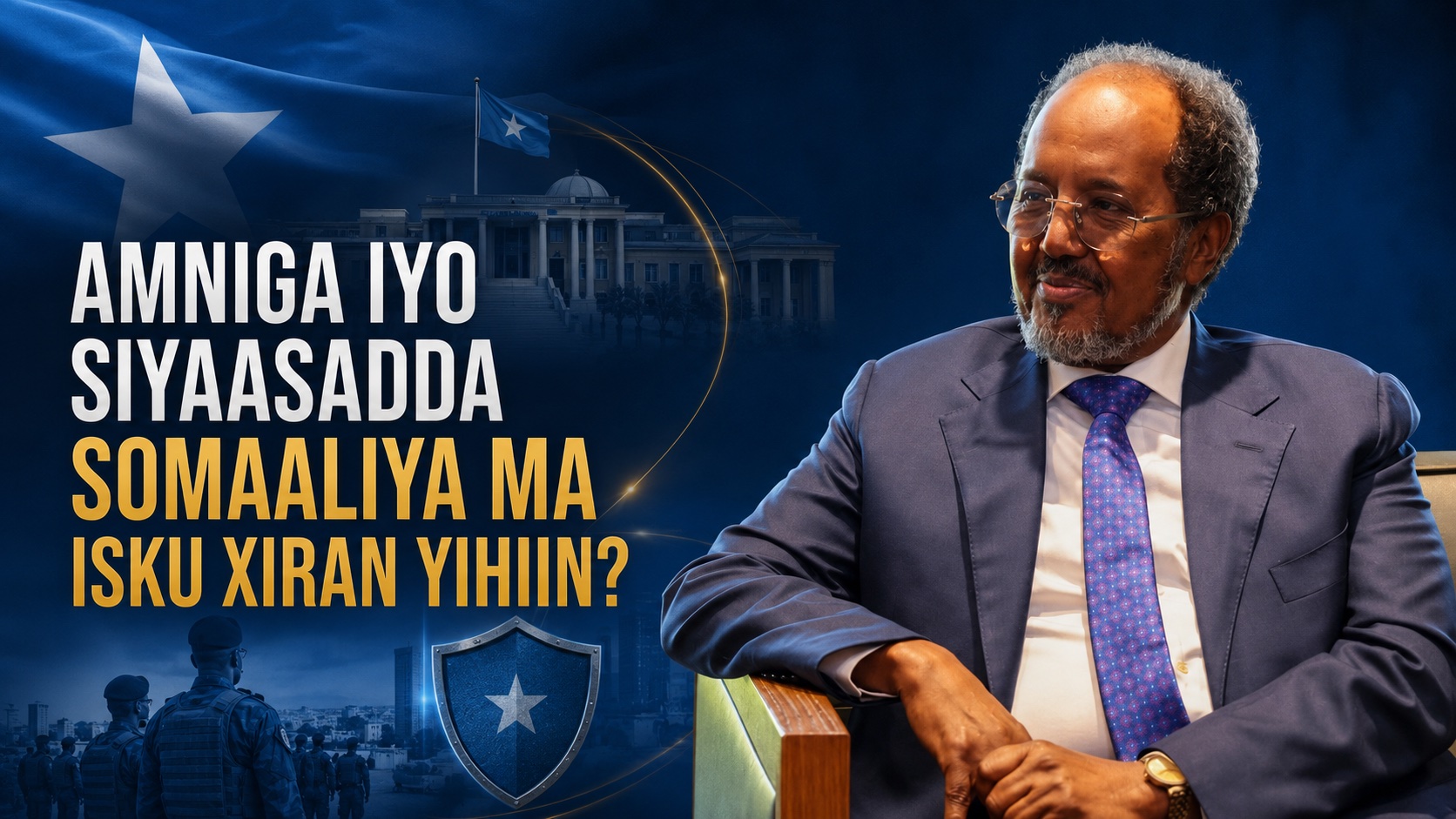

Somalia's security is directly tied to the country's ability to achieve an inclusive political settlement, according to the communiqué issued following the Second Extraordinary Summit of troop-contributing countries to the African Union Support and Stabilisation Mission in Somalia (AUSSOM).
The summit, held at Speke Resort Munyonyo in Kampala, brought together Somali President Hassan Sheikh Mohamud, leaders and representatives of AUSSOM troop-contributing countries, the African Union, IGAD and the United Nations.
Sources familiar with the discussions told Suna Times that President Hassan Sheikh Mohamud requested the removal of a provision addressing political consensus among Somalia’s political stakeholders, arguing that the matter was a "domestic issue.”
However, summit participants maintained that Somalia’s continuing political divisions are directly connected to national security, the campaign against Al-Shabaab and the planned transfer of security responsibilities from AUSSOM to Somali institutions.
The final communiqué stressed the need for a united Somalia capable of rebuilding national confidence, strengthening democratic governance and developing effective state institutions. It also urged political leaders to prioritise national interests over identity-based politics.
Political divisions have security consequences
Disagreements between the Federal Government, Federal Member States and opposition groups over the Constitution, elections and the distribution of political power have serious security implications.
Without a broad political agreement:
-
Somalia’s armed forces and security institutions cannot operate under unified national leadership.
-
Cooperation between the Federal Government and Federal Member States will continue to weaken.
-
Al-Shabaab will exploit political disputes and institutional divisions.
-
Public confidence in state institutions will deteriorate.
-
International partners may lose confidence in Somalia’s transition plans.
-
The transfer of security responsibilities from AUSSOM will become increasingly difficult.
Political reconciliation, therefore, cannot be dismissed merely as a domestic political matter. It is a fundamental pillar of Somalia’s national security architecture.
The Kampala communiqué also called on the Federal Government to strengthen cooperation with Federal Member States and traditional elders in the fight against Al-Shabaab. This confirms that political coordination and security cooperation are inseparable.
AUSSOM transition at risk
The summit called for an orderly, coordinated and phased withdrawal of AUSSOM. It also requested continued United Nations-mandated logistical support for another 18 to 24 months to strengthen Somali security institutions and facilitate the transfer of responsibilities.
Participants called for increased air assets, intelligence, surveillance and reconnaissance capabilities. They also urged the Somali National Armed Forces to adopt integrated training and a unified military doctrine.
However, military assistance alone cannot produce lasting security while Somalia’s political leadership remains divided.
A country whose political leaders cannot agree on constitutional arrangements, elections and power-sharing cannot build unified armed forces, strong security institutions or stable governance.
The central message from Kampala was clear: Somalia cannot achieve sustainable security without first establishing meaningful political consensus among its national stakeholders.
By Dahir Alasow













Somalia's Security Depends on Political Consensus, Kampala Summit Warns
Somalia's security is directly tied to the country's ability to achieve an inclusive political settlement, according to the communiqué issued following the Second Extraordinary Summit of troop-contributing countries to the African Un