ALSO IN THE NEWS

Somalia: UK-Born Girl Allegedly Forced into Marriage at 13 and Controlled for 25 Years
 0
0
Friday July 31, 2026 - 18:16:09 in Latest News by Super Admin
- Visits: 11260
-

- Share
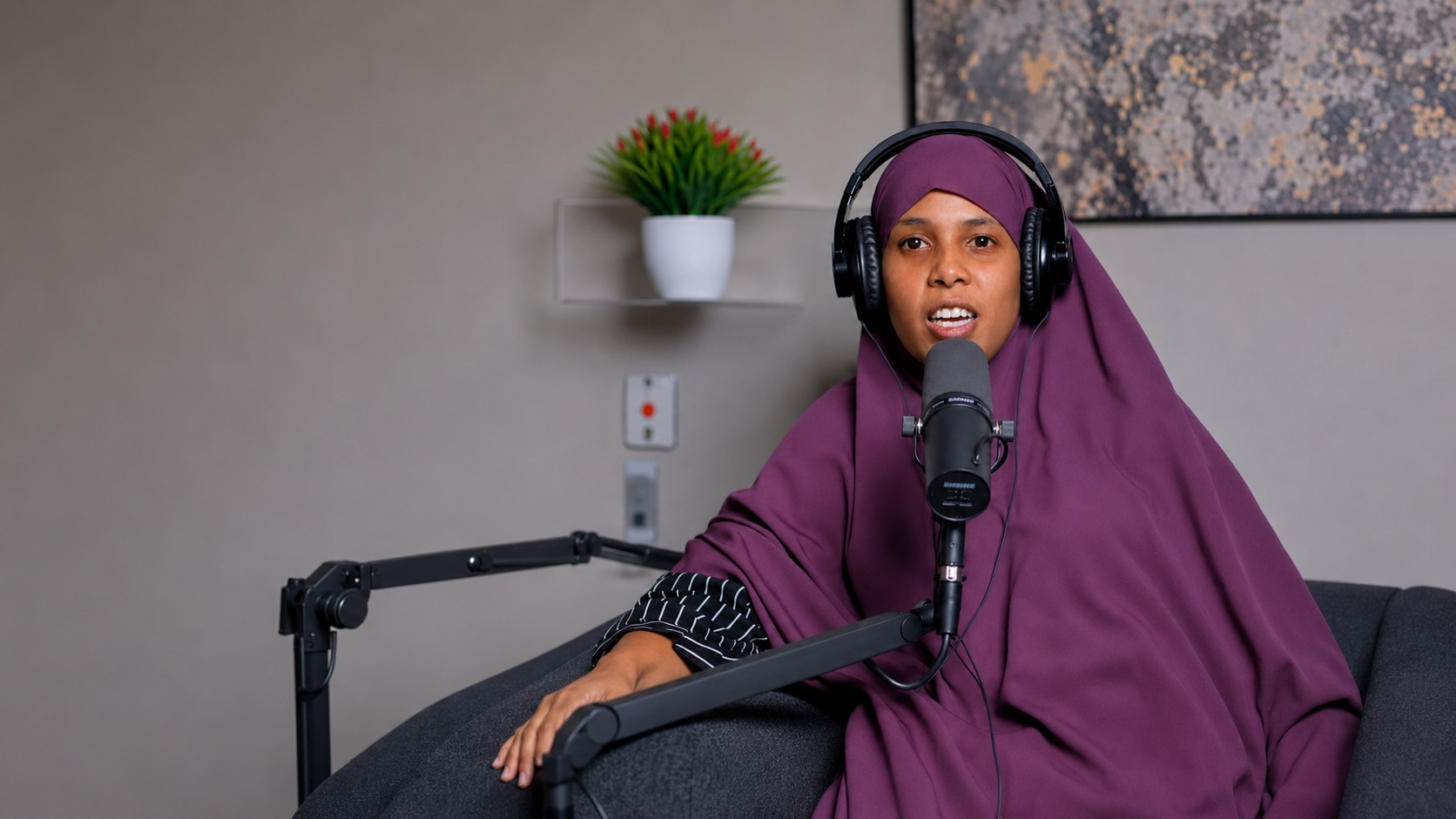

Layla Aden Hassan says she was only 13 years old when she was taken from the Netherlands to Somalia and forced to marry a male relative. According to her account, she subsequently spent approximately 25 years under coercive control, gave birth to 12 children and was prevented from returning to the life she had known in Europe.
A Childhood Stolen: The Case of Layla Aden Hassan
London-born child allegedly removed from the Netherlands, married at 13 and held under coercive control for approximately 25 years
Layla Aden Hassan says she was only 13 years old when she was taken from the Netherlands to Somalia and forced to marry a male relative. According to her account, she subsequently spent approximately 25 years under coercive control, gave birth to 12 children and was prevented from returning to the life she had known in Europe.
Two central elements of her account have since been acknowledged separately. Sadaq Abdulkadir contacted investigative journalist Dahir Alasow directly through WhatsApp and acknowledged that he married Layla when she was approximately 13 years old. Asha Jimcale Ali publicly stated through the media that she was the person who returned Layla from the Netherlands to Somalia.
These acknowledgements strengthen the case for an urgent safeguarding and criminal investigation. However, the full circumstances, intentions and legal responsibility of each person must still be independently established by the competent authorities.
Birth in Westminster
Layla was born in Westminster, London, in 1989.
A UK civil-registration index contains an entry for "Layla Aden Hassan,” registered in Westminster in 1989. The record identifies the mother’s maiden surname as Jimale-Ali.
Layla’s mother has been identified as Amina Jimcale Ali. A certified full birth certificate is still required to confirm the precise date and place of birth, the registered parents and the information recorded at the time.
Being born in the United Kingdom in 1989 did not automatically make every child a British citizen. British citizenship would depend principally on whether at least one parent was British or permanently settled in the UK at the time of birth. The immigration status of Amina Jimcale Ali in 1989 must therefore be formally established.
Childhood in the Netherlands
Layla later lived in Etten-Leur in the Netherlands, where she recalls attending Basisschool ’t Carillon.
She has provided information about her former childhood address, school and life in the Netherlands. These details provide important leads that can be checked against Dutch municipal, school and immigration records.
The relevant authorities should retrieve:
-
Her historical registration in the Dutch Personal Records Database.
-
Her former Dutch address history.
-
Her immigration or refugee-residence records.
-
Her BSN, if one was issued.
-
Information concerning parental responsibility or guardianship.
-
School enrolment records and archived class lists.
-
Details of any residence card, refugee travel document or passport issued in her identity.
-
The date and circumstances under which she was removed from the Dutch population register.
These records could establish Layla’s identity, residence status and the identity of the adult legally responsible for her when she left the Netherlands.
Asha acknowledges taking Layla back to Somalia
Layla identifies Asha Jimcale Ali as the woman who removed her from the Netherlands and returned her to Somalia.
Asha is the biological sister of Layla’s mother, Amina Jimcale Ali, and is therefore Layla’s maternal aunt.
Asha later stated publicly through the media that she was the person who returned Layla from the Netherlands to Somalia. The original media statement should be preserved in its complete and unedited form, together with the name of the outlet, publication date, link and an accurate transcript.
Her public acknowledgement confirms that she played a direct role in transferring Layla from the Netherlands to Somalia while Layla was still a minor. It does not, on its own, establish whether Asha intended to facilitate a forced marriage or knowingly committed another offence.
Authorities must determine:
-
Layla’s exact age at the time of the journey.
-
Whether Layla freely agreed to leave the Netherlands.
-
Whether Asha held legal guardianship or written authorisation.
-
Whether Layla’s mother or a court approved the journey.
-
Which passport or travel document was used.
-
Whether Dutch authorities were informed that Layla was leaving permanently.
-
What Asha knew about the intended marriage.
-
Whether returning Layla to Somalia was connected to the child marriage that followed.
Sadaq acknowledges marrying Layla at 13
Layla identifies the man she was made to marry as Sadaq Abdulkadir, a relative of the family.
Sadaq contacted investigative journalist Dahir Alasow directly through WhatsApp and acknowledged that he married Layla when she was approximately 13 years old.
This acknowledgement confirms a central part of Layla’s account: the marriage occurred while she was still a child. A 13-year-old cannot provide the same free, informed and legally meaningful consent expected from an adult entering marriage.
The complete WhatsApp communication should be preserved, including:
-
The telephone number used.
-
Profile information.
-
Dates and timestamps.
-
Written messages.
-
Voice notes or calls.
-
Screenshots and an exported copy of the conversation.
-
Any witnesses who heard or participated in the communication.
Layla maintains that the marriage was imposed upon her and that she remained under coercive control for approximately 25 years. Sadaq’s acknowledgement of the marriage does not, by itself, prove every allegation relating to prolonged confinement, exploitation or human trafficking. These matters require an independent investigation.
Twelve children, two deaths and ten survivors
During the marriage, Layla gave birth to 12 children.
She reports that two of the children died. Ten children survive and remain central to her safety concerns and her hopes for the future.
The names, ages and locations of the children should remain confidential. Authorities must assess the safety, health, legal status and living conditions of all ten surviving children.
The circumstances surrounding the deaths of the other two children have not yet been independently documented. Layla should be given an opportunity to provide this information privately to trained safeguarding professionals without being repeatedly questioned in public.
Approximately 25 years under coercive control
Layla reports that she remained in the marriage and under the control of others for approximately 25 years.
She alleges that her movement was restricted, that she could not freely leave and that she had no meaningful access to institutions capable of protecting her. She also says she was unable to recover her European identity or residence documents.
The authorities must determine whether her reported circumstances amounted to:
-
Forced marriage.
-
Unlawful deprivation of liberty.
-
Domestic or honour-related violence.
-
Human trafficking or exploitation.
-
Psychological or physical abuse.
-
Withholding or misuse of identity documents.
-
Other offences under the laws applicable at the relevant times.
No single label should be imposed before a proper legal assessment. Nevertheless, the information currently available is sufficient to justify urgent protection and investigation.
Alleged misuse of Dutch documents
Layla alleges that a Dutch passport, refugee travel document or residence-related document connected to her identity was taken and sold or transferred to another woman, who may have used it for international travel.
The precise document type has not yet been established. Dutch authorities should examine:
-
All documents issued under Layla’s name and spelling variants.
-
The photographs and biometric information connected to those documents.
-
Applications for replacement documents.
-
Reports that a document was lost or stolen.
-
Travel movements recorded under her identity.
-
The identity of any person suspected of using her documents.
-
Whether another individual later obtained legal status using Layla’s identity.
This allegation could involve identity fraud, document fraud and unlawful facilitation of travel. It may also explain inconsistencies in official records concerning Layla’s whereabouts.
Minority-community vulnerability
Layla comes from one of Somalia’s marginalised minority communities.
Members of minority communities can face discrimination, reduced access to justice and limited protection from influential family or social networks. Layla’s social background may have increased her vulnerability and made it more difficult for her to escape or report what she says happened to her.
Her minority status must not be used to identify or stigmatise her community. It should instead be considered as a relevant safeguarding factor when evaluating the barriers she faced.
Escape to Nairobi
After approximately 25 years, Layla says she escaped and reached Nairobi, Kenya.
Her exact location must remain confidential because of the reported risks of retaliation, pressure, re-abduction or forced return. Her telephone number, accommodation and the location of her children should not be published.
Layla requires a coordinated and trauma-informed response. She should not be repeatedly interviewed by journalists, community members and multiple organisations. A trained professional should obtain a controlled evidential account, distinguishing:
-
Events she personally witnessed.
-
Information she later learned from other people.
-
Dates she remembers precisely.
-
Dates that are estimates.
-
Documentary evidence.
-
Public or private admissions made by others.
Evidence currently available
The available evidence and leads include:
-
A UK birth-index entry for Layla Aden Hassan in Westminster in 1989.
-
The mother’s maiden surname recorded as Jimale-Ali.
-
Layla’s recollection of her childhood residence and primary school in Etten-Leur.
-
Sadaq Abdulkadir’s direct WhatsApp acknowledgement that he married Layla when she was approximately 13.
-
Asha Jimcale Ali’s public media acknowledgement that she returned Layla from the Netherlands to Somalia.
-
Potential witnesses who say they knew Layla’s parents and extended family.
-
Information concerning the alleged misuse of Dutch residence or identity documents.
The original WhatsApp messages and media statement must be preserved without editing. Copies can be prepared for review, but the original files, devices, timestamps and metadata should remain intact.
Requested action
Solda Safety Network calls upon the competent authorities and specialist organisations to:
-
Provide immediate and confidential protection to Layla and assess the safety of her ten surviving children.
-
Obtain her certified full UK birth certificate and determine whether she acquired or may be entitled to British citizenship.
-
Retrieve her historical Dutch municipal, immigration, school, guardianship and travel-document records.
-
Establish the circumstances under which Asha Jimcale Ali returned Layla from the Netherlands to Somalia.
-
Preserve and examine Asha’s complete public media statement.
-
Preserve and examine Sadaq Abdulkadir’s complete WhatsApp communication with Dahir Alasow.
-
Investigate the child marriage acknowledged by Sadaq.
-
Assess Layla’s allegations of approximately 25 years of coercive control and restricted freedom.
-
Investigate the alleged sale, transfer or use of her Dutch identity or residence documents.
-
Provide independent legal advice regarding immigration, nationality, family law, victims’ rights and possible compensation.
-
Ensure that Layla is interviewed privately, safely and without repeated retraumatisation.
-
Consider the additional discrimination and vulnerability associated with her minority-community background.
A request for justice
Layla’s case concerns more than a disputed family history.
It concerns a London-born girl who lived in the Netherlands, was returned to Somalia as a minor, married at approximately 13, became the mother of 12 children, lost two of those children and says she spent approximately 25 years without meaningful freedom.
Sadaq Abdulkadir has acknowledged through direct WhatsApp communication that he married her when she was approximately 13. Asha Jimcale Ali has publicly acknowledged that she was the person who returned Layla from the Netherlands to Somalia.
These acknowledgements do not determine every question of criminal liability. They do, however, support important elements of Layla’s account and create a clear obligation for the competent authorities to investigate.
Layla is now asking for recognition of her identity, protection for her surviving children and a lawful path to justice.
Editorial and legal notice
This report combines documentary leads, Layla’s account, a direct WhatsApp acknowledgement attributed to Sadaq Abdulkadir and a public media acknowledgement attributed to Asha Jimcale Ali.
The complete context and authenticity of all statements should be examined by the competent authorities. No person should be considered guilty of a criminal offence unless responsibility is established through a lawful and fair process. Every person named retains the right to respond and the presumption of innocence regarding allegations not determined by a court.
For safety and privacy reasons, Layla’s current address, the identities and locations of her children and information concerning relatives who have not been accused of direct involvement have been withheld.
By Dahir Alasow


















Somalia: UK-Born Girl Allegedly Forced into Marriage at 13 and Controlled for 25 Years
Layla Aden Hassan says she was only 13 years old when she was taken from the Netherlands to Somalia and forced to marry a male relative. According to her account, she subsequently spent approximately 25 years under coercive control, gave birth to 12