ALSO IN THE NEWS

SOMALIA MOGADISHU ON THE BRINK: Is President Hassan Sheikh Planning to Weaken and Disarm His Opposition Before Announcing Elections?
 0
0
Monday October 12, 2026 - 04:07:46 in Latest News by Super Admin
- Visits: 149
-

- Share
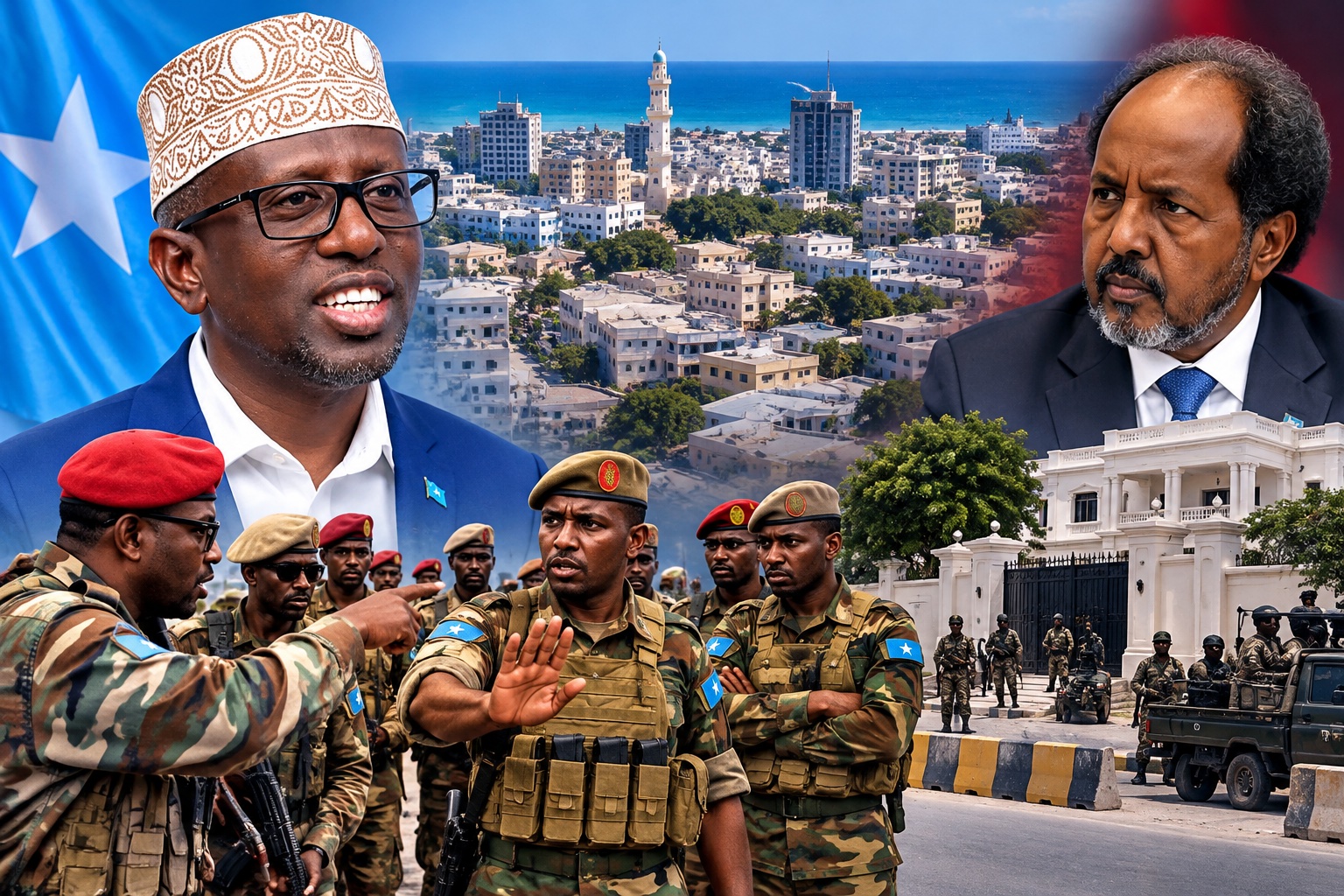

As Somalia's opposition prepares to challenge President Hassan Sheikh Mohamud through elections, questions emerge over alleged military disobedience, possible secret political alliances and fears of a strategy to neutralise opposition influence before the next presidential contest.
Location: Mogadishu, Somalia
MOGADISHU (Sunatimes) — Somalia's escalating political confrontation has entered a potentially dangerous phase, raising questions about the unity of the country's security forces and the competing strategies of President Hassan Sheikh Mohamud and his political opponents.
While opposition leaders are demanding an electoral process that would allow them to challenge President Mohamud and potentially remove him from office through the ballot box, concerns are emerging that the president may be seeking to weaken their political and security influence before announcing an election timetable.
The confrontation surrounding former President Sheikh Sharif Sheikh Ahmed has brought these concerns into sharper focus.
Recent accusations exchanged between Somalia's National Intelligence and Security Agency (NISA) and Sheikh Sharif's office over security operations in Mogadishu's Wadajir district have intensified fears that political disagreements could develop into armed confrontation.
However, allegations of a presidential plan to disarm opposition forces, secret agreements involving military commanders and organised military disobedience have not been independently verified.
Opposition Wants Elections, but What Does Hassan Sheikh Want?
At the centre of Somalia's political crisis is a fundamental disagreement over how presidential power should be contested and transferred.
Opposition politicians are seeking an electoral process through which they can compete for the presidency and potentially end Hassan Sheikh Mohamud's administration.
Yet an alternative interpretation of the government's recent political and security manoeuvres suggests that the president may be more concerned with reducing the opposition's influence before allowing the next electoral contest to proceed.
The opposition wants to defeat Hassan Sheikh through elections. The critical question is whether Hassan Sheikh intends to weaken the opposition before those elections can take place.
One possible scenario is that Villa Somalia could attempt to consolidate control over security institutions, restrict the influence of opposition-aligned armed personnel and establish a more favourable political environment before announcing an election timetable.
Such a strategy, if substantiated, would raise serious questions about the fairness of the electoral process.
The Baidoa, Jowhar and Dhusamareb Question
Political developments in Baidoa, Jowhar and Dhusamareb have become important reference points in debates about the relationship between the federal government and Somalia's regional administrations.
Critics of the federal government's approach argue that security influence, political pressure and control over electoral arrangements can affect the outcome of leadership contests.
Against this background, a central concern is whether President Hassan Sheikh Mohamud could seek to reproduce elements of those regional political processes at the national level.
Under this hypothetical scenario, the government would first seek to consolidate its political and security advantage before introducing an electoral timetable.
The opposition could then find itself entering the contest from a significantly weakened position.
Would such elections represent genuine democratic competition, or would the balance of political power have been determined before voting even began?
This question is becoming increasingly important as tensions rise in Mogadishu.
Nevertheless, no independently verified evidence currently establishes that the president has adopted such a strategy.
Are Somalia's Military Officers Beginning to Defy Orders?
An equally serious question concerns the internal cohesion of Somalia's security forces.
Unverified claims suggesting that some government military officers may have resisted orders connected to operations against opposition figures have raised speculation about possible disagreements within the military command.
If such reports are eventually confirmed, they could indicate that Somalia's political confrontation has begun to affect the armed forces themselves.
Two possible explanations deserve examination.
The first is that divisions among military officers may have developed gradually, influenced by political disagreements, personal loyalties and concerns about deploying national security forces against political opponents.
The second possibility is that opposition politicians may have quietly established understandings with influential officers serving within government security institutions.
Such understandings could involve assurances that certain commanders would not participate in military operations against opposition leaders.
Neither scenario has been independently established.
Moreover, an officer's refusal to participate in an unlawful operation would not necessarily constitute political disloyalty or evidence of a secret agreement with opposition politicians.
The distinction between lawful military restraint, disagreement within the chain of command and organised political defection is essential.
Has the Opposition Been Building Quiet Alliances Inside the Military?
One of the most consequential questions is whether the opposition has spent months cultivating relationships with officers who remain formally under federal government command.
Political influence within security institutions can develop through longstanding personal relationships, former command structures, regional affiliations and shared concerns about national developments.
If opposition figures have secured informal assurances from serving commanders, such relationships could complicate any attempt to use military force during a political confrontation.
However, the existence of political relationships would not automatically demonstrate a conspiracy or an organised attempt to fragment the armed forces.
Independent evidence would be required to establish whether any secret agreements have been reached.
The critical question is whether any reported military resistance reflects individual decisions by officers or a broader breakdown of confidence within the government's security command.
Sheikh Sharif Confrontation Raises the Stakes
Former President Sheikh Sharif Sheikh Ahmed remains an influential figure in Somali politics.
The latest confrontation involving security deployments near his residence has heightened fears that disputes between the government and opposition could move beyond political statements.
NISA has accused armed personnel allegedly associated with Sheikh Sharif of engaging in threatening activities against government security forces.
Sheikh Sharif's office has rejected the allegations and accused government authorities of deploying forces around his residence and restricting access.
These competing accounts require independent scrutiny.
Any attempt to resolve political disputes through military confrontation would carry serious risks for civilians, security institutions and Somalia's fragile political stability.
The danger becomes particularly significant if different security units interpret their responsibilities differently or receive conflicting instructions.
A Political Gamble With Dangerous Consequences
President Hassan Sheikh Mohamud faces a difficult political calculation.
Holding elections without a negotiated framework acceptable to major political stakeholders could deepen existing disputes over legitimacy.
Attempting to weaken opposition influence through security measures, if such an approach were pursued, could produce even greater instability.
For opposition leaders, maintaining political unity and securing a credible electoral process remain essential to challenging the incumbent president.
But if allegations of growing divisions within government forces prove accurate, the political balance could become considerably more complicated.
Somalia could face a situation in which political rivals are no longer competing solely through constitutional institutions but are also attempting to influence the loyalties and decisions of security commanders.
Such a development would represent a serious challenge to the principle that national security forces must remain accountable to lawful civilian authority rather than individual political factions.
The Real Battle May Be Over the Conditions of the Election
The struggle between President Hassan Sheikh Mohamud and his opponents may ultimately be less about the announcement of an election date than about the political environment in which elections will take place.
The opposition wants an opportunity to challenge the president through the electoral process.
The government's legitimate responsibility is to maintain security and uphold the constitutional order.
However, if security institutions are used to disadvantage political competitors, confidence in the electoral process could deteriorate.
Likewise, any effort by opposition politicians to establish competing military loyalties would threaten institutional stability.
Somalia cannot build a credible democratic transition if political competition becomes a contest over who controls the armed forces.
SUNATIMES ANALYSIS: Could the Political Crisis Already Have Reached the Military?
The developments in Mogadishu raise three questions that deserve urgent investigation.
First, have government military officers actually refused orders concerning operations against opposition figures?
Second, have political disagreements gradually weakened the unity of the military command?
Third, have opposition leaders established undisclosed understandings with serving officers that could influence the government's ability to conduct security operations?
These possibilities remain unproven, but their implications are significant.
If evidence emerges of organised military disobedience, Somalia's political crisis may already have reached the internal command structure of its armed forces.
If no such divisions exist, the allegations themselves could still undermine trust between political leaders and security institutions.
Meanwhile, concerns about a possible government strategy to weaken opposition influence before announcing elections require scrutiny through verifiable evidence rather than speculation alone.
Conclusion: Elections or a Dangerous Struggle for Power?
Somalia stands at a sensitive political crossroads.
The opposition is looking towards elections as the means of challenging President Hassan Sheikh Mohamud.
At the same time, questions are being raised about whether the president might seek to consolidate his political and security advantage before the next electoral contest.
The confrontation surrounding Sheikh Sharif Sheikh Ahmed has made these questions more urgent.
If the opposition is preparing for elections while the government is preparing to neutralise its rivals, Somalia could be heading towards a political confrontation with consequences far beyond the presidency.
Yet that remains a scenario requiring investigation, not an established account of government policy.
For Somalia's political leaders, the immediate challenge is to prevent escalating tensions from undermining the neutrality of the armed forces and the credibility of the electoral process.
The future of Somalia's presidency must be determined through a legitimate political process, not through military intimidation, secret armed alliances or the fragmentation of national security institutions.
By Dahir Alasow
SUNATIMES — Independent Journalism | Political Analysis | Horn of Africa
Publication Date: October 12, 2026
Location: Mogadishu, Somalia
Editorial disclosure: This article contains political analysis and examines allegations that have not been independently verified. Claims regarding secret agreements, military disobedience and plans to disarm opposition forces should not be interpreted as established facts.









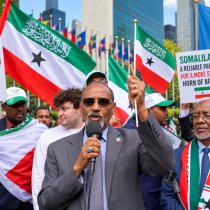





SOMALIA MOGADISHU ON THE BRINK: Is President Hassan Sheikh Planning to Weaken and Disarm His Opposition Before Announcing Elections?
As Somalia's opposition prepares to challenge President Hassan Sheikh Mohamud through elections, questions emerge over alleged military disobedience, possible secret political alliances and fears of a strategy to neutralise opposition influence