ALSO IN THE NEWS

Somalia:Forced Evictions in Mogadishu Raise Questions About Justice and Human Rights
 0
0
Wednesday June 03, 2026 - 16:17:12 in Latest News by Super Admin
- Visits: 6847
-

- Share
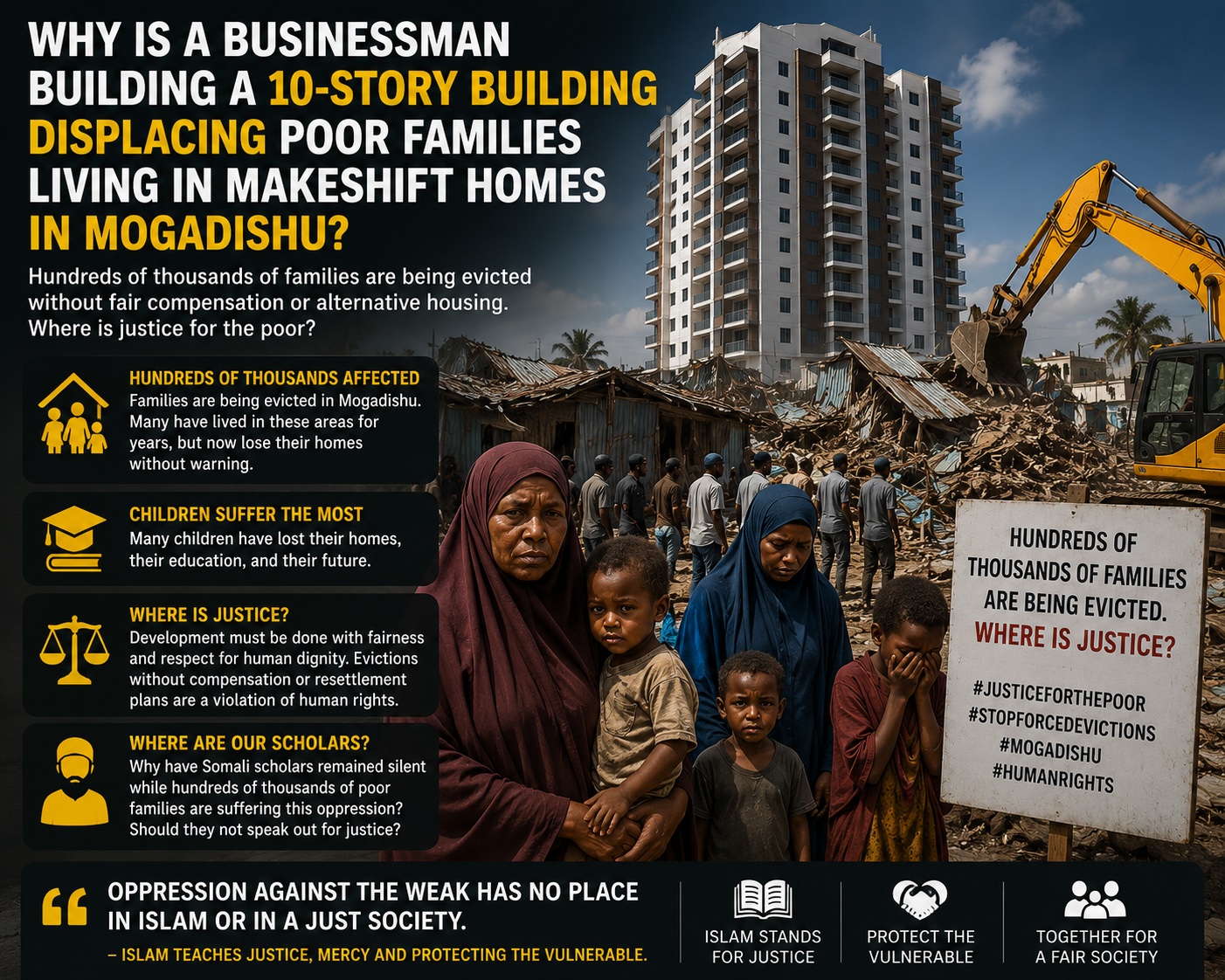

MOGADISHU, Somalia — The ongoing displacement of vulnerable families in Mogadishu continues to spark debate over justice, human rights, and the social cost of urban development.
Critics argue that while modern buildings, commercial centers, and luxury apartments continue to reshape parts of the capital, hundreds of thousands of low-income residents face uncertainty as informal settlements are demolished and communities are uprooted.
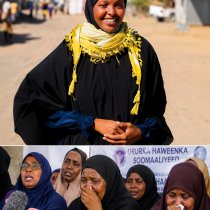
Many of the affected families have lived in these neighborhoods for years, raising children and building livelihoods despite difficult economic circumstances. Human rights advocates warn that evictions carried out without adequate compensation, consultation, or resettlement plans can have devastating consequences for already vulnerable populations.
Children are often among the hardest hit. Displacement can interrupt education, separate families from sources of income, and increase the risk of poverty and homelessness. Community leaders have also raised concerns about the impact on women, the elderly, and persons with disabilities.
The controversy has fueled broader questions about development and social justice. Critics ask whether economic progress should come at the expense of the poorest members of society and whether sufficient protections exist for those facing displacement.
Religious scholars, civil society organizations, and human rights activists have increasingly been urged to speak out on behalf of vulnerable communities. Many argue that development should be accompanied by fairness, transparency, and respect for human dignity.
Supporters of redevelopment projects maintain that urban growth is necessary for the future of Mogadishu and Somalia's economic recovery. However, rights groups insist that modernization must not leave behind those who are least able to protect themselves.
As debate continues, many residents are calling for a balanced approach that promotes development while safeguarding the rights, dignity, and welfare of displaced families.
The issue remains one of the most sensitive social and political challenges facing Mogadishu today, with growing calls for authorities to ensure that progress benefits all citizens rather than a privileged few.
By Dahir Alasow
Waagacusub Media Network
Mogadishu, Somalia















Somalia:Forced Evictions in Mogadishu Raise Questions About Justice and Human Rights
MOGADISHU, Somalia — The ongoing displacement of vulnerable families in Mogadishu continues to spark debate over justice, human rights, and the social cost of urban development. Critics argue that while modern buildings, commercial centers, an