ALSO IN THE NEWS

Peace in Somalia: Food, Medicine and Education
 0
0
Wednesday September 23, 2026 - 16:52:44 in Latest News by Super Admin
- Visits: 1296
-

- Share
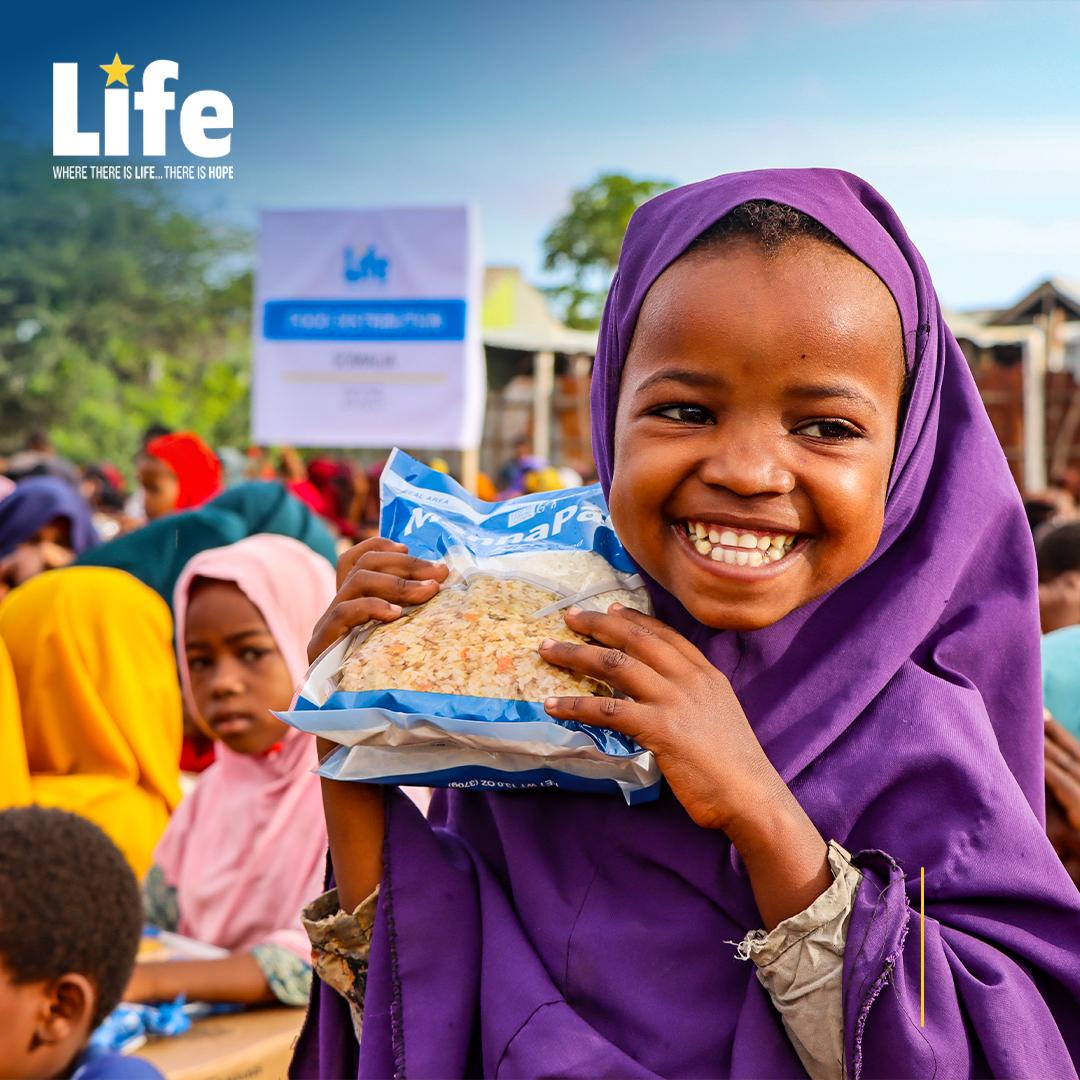

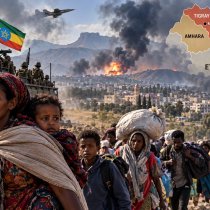
As the world celebrates International Week of Peace, thousands of Somalis, including women, children, older people and people with disabilities, are living in conflict-affected areas, facing families torn apart by displacement, closed schools and damaged hospitals.
For a child who has grown up in poverty, peace may mean a safe place at school. For a woman who has lost her husband, it may mean having a home where her children can live without fear of being left vulnerable. For a person with a disability, it may mean regaining part of their independence and feeling that they still have a life. For a sick person, it may mean receiving medicine they were unable to afford. And for an older person, it may mean receiving care and compassion that protect them from the fear and loneliness that can accompany old age.
Real Change in the Lives of People in Need
Life for Relief and Development has presented humanitarian examples that demonstrate the impact support can have on people's lives, with the aim of giving peace a real meaning in their daily experiences.
Dr. Abdulwahab Alawna, Director of the Regional Office for the Middle East, said:
"True peace is when a person regains their right to education, care, family, safety, hope for the future and life.”
For Hawa, a Somali mother who lost her husband, receiving assistance was not merely temporary relief from the burdens of daily life. The support gave her the opportunity to make her own decisions about her children's needs, after previously having to depend on others even to provide them with their most basic necessities.
In another home, five-year-old Sameera was facing health challenges related to epilepsy and developmental delay, while her grandmother struggled to obtain her medication regularly. With the arrival of assistance, the family became better able to secure the child's medication and meet her healthcare needs, at a time when the cost of treatment represented a significant burden for the family.
Support That Restores a Woman's Ability to Choose
Fatima, a Somali widow with a disability, is also responsible for supporting and caring for her children while living under extremely difficult economic circumstances.
The possibility of running out of food at home was a constant source of worry, particularly given her limited ability to work and earn a regular income.
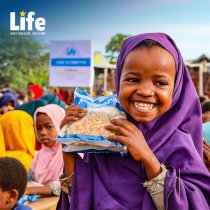
When food assistance reached her family, it was not only the food on the table that changed; part of the daily anxiety she had been experiencing also eased. She gained a degree of reassurance that her children would not have to go to sleep without knowing what they would eat the following day.
In another family, two children, Abdullah and Hassan, lost their father and began living under the care of their grandmother, who became responsible for looking after them. The food assistance the family received during Ramadan helped ease some of the burdens the grandmother was facing and provided the household with a period of stability at a time when resources were limited.
Displaced People Also Have the Right to Face Tomorrow with Security
In one of the displacement camps, Ali, an elderly man with a disability, was worried about how he could provide food for his family despite the challenges limiting his ability to work.
When food assistance arrived, he found some relief from a burden that returned every day: How could he meet his family's basic needs?
Khadija, a widow and mother of six children, is living under similar circumstances. For her, food assistance meant reducing the number of worries she had to face at the end of each day.
Such assistance may appear modest in scale, but for a family living on the edge of need, it can mean several days of stability, regular meals and a greater ability to think about the next day instead of focusing solely on how to get through the current one.
When a Tent Becomes a Symbol of Privacy and Security
In displacement areas, a tent is not merely a temporary roof. It can represent the minimum level of privacy a family needs after losing its home.
Maryam, a mother of eight children, was looking for a place that could protect her children from the harsh conditions of displacement and provide them with a safer space to sleep and live.
Maryam said that having the tent gave her children a place where they could feel safe, while access to basic facilities, including a bathroom, hygiene supplies and measures to preserve the dignity of girls, was particularly important to the family.
When Age Becomes a Barrier to Work
After many years of life and work, Halima now finds herself facing a different reality. Aging has reduced her ability to work and meet her basic needs, while obtaining food has become a recurring challenge.
She says that receiving food assistance eased a burden she had been carrying alone and made her feel that there was someone standing beside her at a stage of life when relying on oneself becomes increasingly difficult.
The Education That Nearly Disappeared Under the Pressure of Need
Yusuf dreamed of continuing his education, but his family's difficult economic circumstances forced him to consider leaving school and working to help provide for the household.
For a child living in a tent with his family, going to school may seem like a simple matter compared with the responsibilities of daily life. In reality, however, it can be a decisive step between having a different future and falling into the cycle of poverty and child labor.
The support his family received helped reduce some of the basic burdens they were facing, allowing Yusuf to return to his school desk instead of making work the only option available to him.
In a home shared with his mother and siblings, continuing the child's education became more than simply attending school each day; it became an opportunity to hold on to a dream that economic hardship could otherwise have taken away.
Psychological Support for People Affected by Wars and Crises Is Essential
Dr. Amjad Marashli, Professor of Psychiatry and Mental Health, said:
"Basic needs are inseparable from mental health. Wars, displacement, the loss of family members, illness and poverty do not only create shortages of food or medicine; they can also generate feelings of anxiety, sadness, insecurity, sleep disturbances and difficulty concentrating. Most people affected by emergencies experience some degree of psychological distress, while some require psychosocial support or specialized care.
"Therefore, regular support for these people serves a purpose beyond meeting material needs; it can reduce part of the uncertainty in which individuals live. When a father knows that his family will receive food, when a mother can buy medicine for her child, or when a child has a safe place to learn and play, this can help the family regain some sense of routine and the feeling that they are capable of dealing with the future.”
By Tasneem Elridi | Independent Journalist


















Peace in Somalia: Food, Medicine and Education
As the world celebrates International Week of Peace, thousands of Somalis, including women, children, older people and people with disabilities, are living in conflict-affected areas, facing families torn apart by displacement, closed schools and dam