ALSO IN THE NEWS

Somalia: Turkish Drone Strike Targets Somalia's Former Prisons Chief
 0
0
Friday September 04, 2026 - 16:48:13 in Latest News by Super Admin
- Visits: 3900
-

- Share
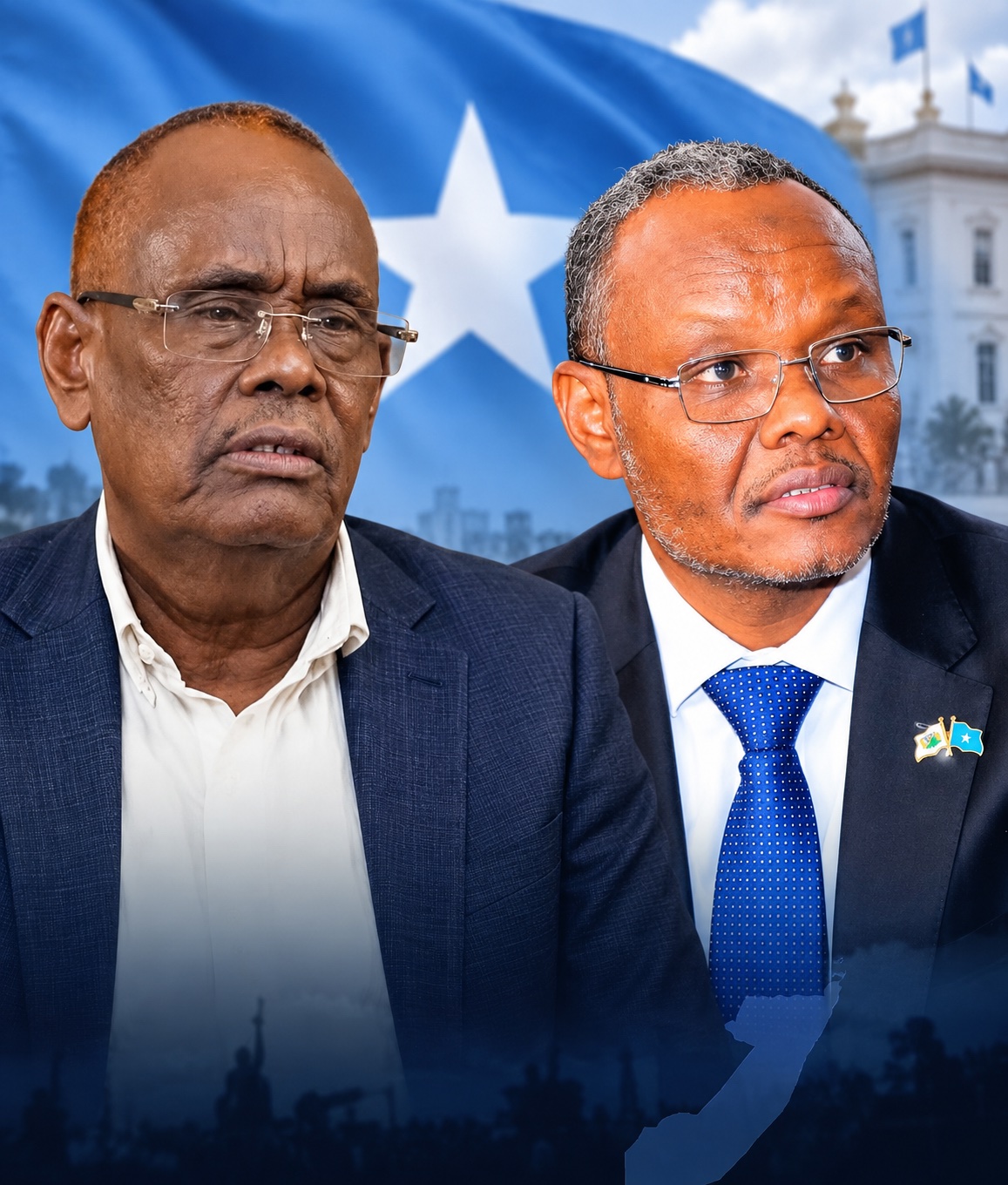

Former Somali Prisons Chief Survives Doolow Airstrike as Opposition Accuses Government of Militarising Political Disputes
DOOLOW, Somalia — September 4, 2026 (Sunatimes) — Former Somali Custodial Corps Commander Brigadier General Mahad Abdirahman Aden, widely known as General Mahad "Shub," survived an overnight airstrike targeting his residence in Doolow district of Somalia's Gedo region, in an attack that has triggered accusations that foreign-supplied military capabilities are being drawn into Somalia's escalating domestic political confrontation.
Doolow / Mogadishu, Somalia
The strike occurred late on Thursday night when missiles hit the compound where General Shub was staying. Local sources said the former commander sustained injuries and was taken for medical treatment.
Jubaland authorities said General Shub and four civilians were wounded. Other local reports have reported civilian fatalities, although the precise casualty figures remain disputed and have not been independently verified.
General Shub, a former commander of Somalia’s Custodial Corps, has emerged as an opponent of the political direction pursued by the Federal Government under President Hassan Sheikh Mohamud.
Jubaland Accuses Türkiye and Federal Authorities
Jubaland has directly accused Turkish aircraft of carrying out the Doolow strike and alleged that General Shub was targeted because of his political differences with the federal leadership.
According to Jubaland, two missiles were fired during the operation, with one striking General Shub’s residence and another reportedly hitting the residence of the Doolow district commissioner.
The regional administration described the attack as a politically motivated assault and accused Türkiye of abandoning the neutral role it has historically sought to maintain in Somalia’s political disputes.
The identity of the aircraft and the chain of command behind the strike have not, however, been independently established.
The Federal Government of Somalia has denied involvement in the attack, rejecting allegations that it authorised or participated in the strike.
Türkiye has extensive security ties with Somalia, including military training and defence cooperation, while Turkish-made drones have increasingly become part of Somalia’s counter-terrorism capabilities.
Political Crisis Moves Into a Dangerous Military Phase
The attack comes amid a widening constitutional and political confrontation between Villa Somalia, opposition leaders and sections of Somalia’s Federal Member States.
Opposition figures argue that Somalia has moved away from the democratic and constitutional framework through which political disputes should be settled and is entering a dangerous period in which military force is increasingly being used against officials and political actors who reject the policies of President Hassan Sheikh Mohamud.
Hassan Sheikh’s original four-year presidential mandate reached its expected conclusion in May 2026. Villa Somalia maintains that constitutional amendments extended the terms of the presidency and parliament to five years, while opposition leaders and several political actors reject the application of those amendments to the incumbent administration.
Jubaland has consequently referred to Hassan Sheikh as an "outgoing” or "term-expired president,” a description strongly disputed by the Federal Government.
The disagreement has transformed what began as a constitutional dispute into a broader struggle over political legitimacy, federalism and control of Somalia’s security institutions.
Strike Follows Armed Confrontation in Baidoa
The attempted strike against General Shub also comes against the backdrop of recent fighting in Baidoa involving forces aligned with former South West President Abdiaziz Hassan Mohamed Laftagareen.
Forces loyal to Laftagareen recently launched an armed operation in Baidoa and temporarily challenged government forces before being pushed back.
General Shub is regarded as politically close to Laftagareen and his supporters, adding to suspicions among opposition figures that the Doolow attack was connected to the rapidly escalating confrontation in South West State.
Laftagareen's camp has rejected accusations that its forces are associated with Al-Shabaab and has instead accused federal and South West authorities of using terrorism designations to delegitimise political opponents.
Questions Over Foreign Military Assets
The Doolow strike has now raised a much broader question: Are military assets supplied to Somalia for counter-terrorism operations being used in domestic political disputes?
For years, international partners have provided Somalia with military assistance primarily to strengthen the fight against Al-Shabaab and other armed extremist organisations.
Opposition leaders warn that any use of foreign aircraft or weapons against domestic political opponents would fundamentally change the nature of that partnership.
If independently verified evidence establishes that foreign-operated military aircraft deliberately targeted General Shub because of his political alignment, the incident could represent a significant escalation in Somalia’s internal political crisis.
It would also raise questions about who selected the target, who authorised the strike, under what legal authority it was conducted, and whether the foreign partner involved knew the identity and political status of the intended target.
Calls for International Investigation
Jubaland has called on the United Nations, African Union, IGAD, United States and European Union to scrutinise the circumstances surrounding the Doolow attack.
It has also urged the United Nations to reconsider the safeguards governing weapons supplied to Somalia following the lifting of the decades-long arms embargo, arguing that sophisticated military capabilities intended for national security must not be diverted into domestic political conflicts.
The Doolow incident therefore extends far beyond the attempted targeting of one former military commander.
It comes at a moment when Somalia is facing a deepening dispute over constitutional legitimacy, federal authority and political succession, while armed confrontations involving rival political camps are becoming increasingly visible.
For Somalia’s opposition, the central fear is that the country is moving from political competition governed by constitutional institutions toward a system in which military power determines political outcomes.
For the Federal Government, which denies responsibility for the Doolow strike, those allegations remain politically motivated accusations unsupported by conclusive evidence.
What remains unanswered is perhaps the most consequential question arising from the attack:
Who ordered the strike on General Mahad Shub — and why?
Until an independent investigation establishes the aircraft involved, its operator and the chain of authorisation, allegations that the attack constituted a politically motivated assassination attempt remain allegations rather than established fact.
Sunatimes – Investigative Desk
Doolow / Mogadishu, Somalia






















Somalia: Turkish Drone Strike Targets Somalia's Former Prisons Chief
Former Somali Prisons Chief Survives Doolow Airstrike as Opposition Accuses Government of Militarising Political Disputes DOOLOW, Somalia — September 4, 2026 (Sunatimes) — Former Somali Custodial Corps Commander Brigadier General Mahad A