ALSO IN THE NEWS

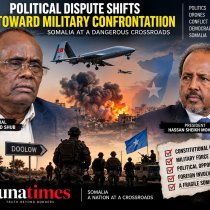
Somalia Faces Growing Fears of Militarization as Political Crisis Deepens
 0
0
Saturday June 06, 2026 - 15:18:14 in Latest News by Super Admin
- Visits: 3810
-

- Share
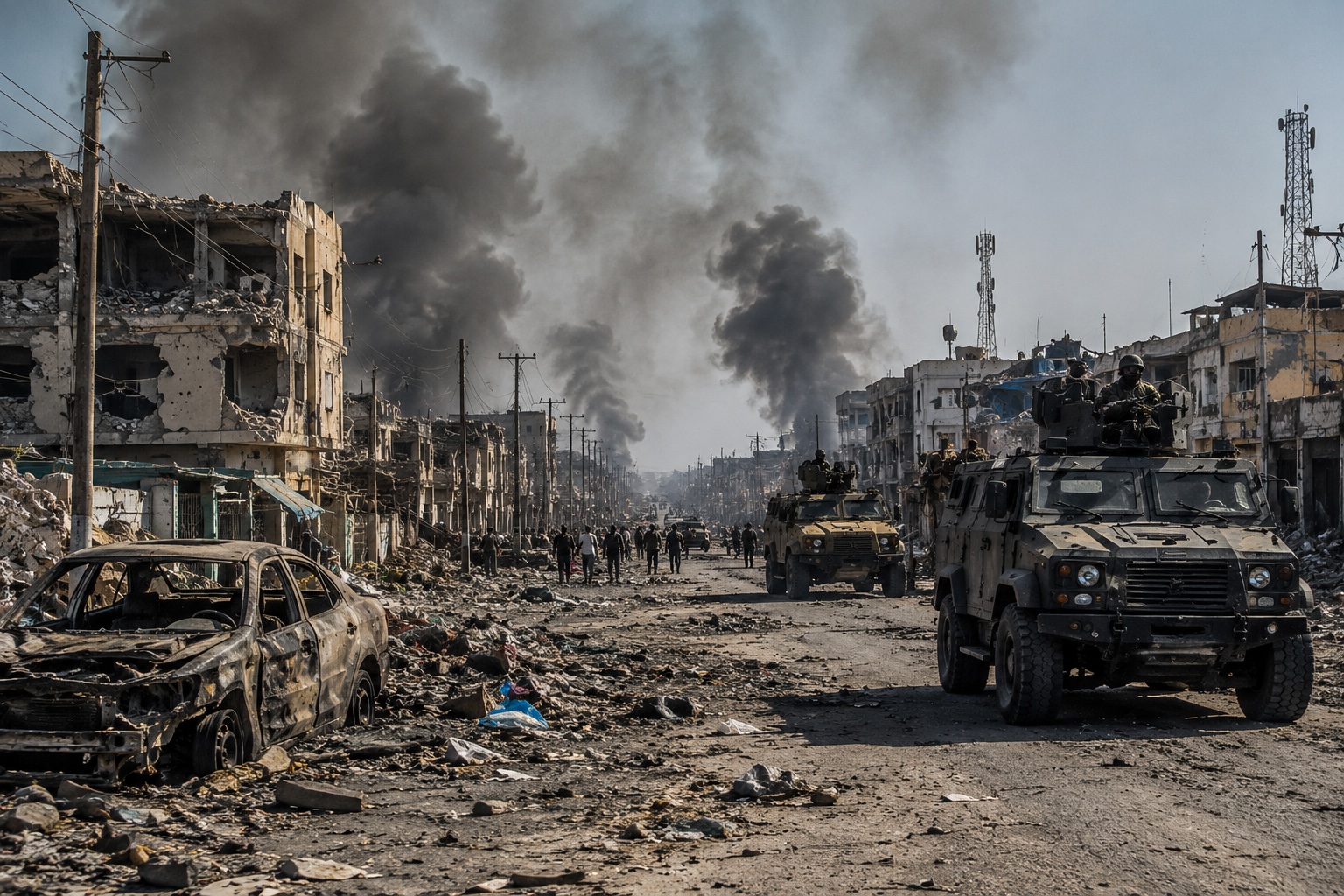

MOGADISHU — Concerns are growing among Somali intellectuals, civil society organizations, retired military officers, and democracy advocates that Somalia is entering a dangerous period of political instability marked by increasing militarization and shrinking space for democratic participation.
The concerns come amid escalating confrontations in Mogadishu and reports of civilian casualties, displacement, and destruction resulting from recent clashes between government forces and opposition-aligned groups.
Waagacusub Media Network
Mogadishu, Somalia
According to a Protection of Civilians (PoC) Note issued by UNHCR Somalia and protection partners on 4 June 2026, at least 13 people were killed, 189 injured, and approximately 12,500 civilians displaced following the outbreak of armed violence in the capital.
The report warned that women, children, elderly people, persons with disabilities, and other vulnerable groups face heightened risks as a result of the conflict.
Retired Officials Raise Alarm
Several retired Somali military officers and political analysts told Waagacusub Media that recent developments raise serious questions about the future of democratic governance in Somalia.
Retired General Yusuf Mohamed Siad, commonly known as Indhacadde, argued that Somalia risks moving away from democratic processes and toward governance increasingly influenced by military force.
"It appears that political disputes are being resolved through force rather than dialogue. This is a dangerous path for any nation," he said.
Human Rights Concerns Intensify
Human rights advocates, some of whom requested anonymity due to security concerns, warned that the country may be entering a period characterized by growing political polarization and weakening democratic institutions.
Several activists expressed concern that political tensions could undermine constitutional governance and limit opportunities for peaceful political participation.
"Many citizens fear that democratic processes are being replaced by security measures and military responses," one activist told Waagacusub.
Calls for International Attention
The European-based organization Solda Safety Network called for increased international engagement and urged all parties to prioritize civilian protection.
The organization expressed concern over reports of shelling in civilian areas and allegations of large-scale displacement affecting vulnerable communities.
UN Warns of Humanitarian Consequences
The UN-backed protection report noted that thousands of families were forced to flee their homes following the violence, creating urgent humanitarian needs.
The document further warned that civilians remain exposed to significant risks due to ongoing insecurity and the inability of many families to safely relocate from affected neighborhoods.
A Nation at a Crossroads
Political observers say Somalia now faces a critical choice between dialogue and further confrontation.
Many argue that preserving constitutional governance, protecting human rights, and ensuring credible political participation will be essential if the country is to avoid deeper instability.
As tensions continue to rise, domestic and international stakeholders are increasingly calling for restraint, accountability, and a negotiated political settlement capable of restoring public confidence and preventing further suffering among civilians.
By Dahir Alasow
Waagacusub Media Network
Mogadishu, Somalia




Somalia Faces Growing Fears of Militarization as Political Crisis Deepens
MOGADISHU — Concerns are growing among Somali intellectuals, civil society organizations, retired military officers, and democracy advocates that Somalia is entering a dangerous period of political instability marked by increasing militarizatio