ALSO IN THE NEWS

SOMALIA AT A CROSSROADS: DIALOGUE OR DIVISION?
 0
0
Tuesday June 02, 2026 - 17:58:09 in Latest News by Super Admin
- Visits: 2807
-

- Share
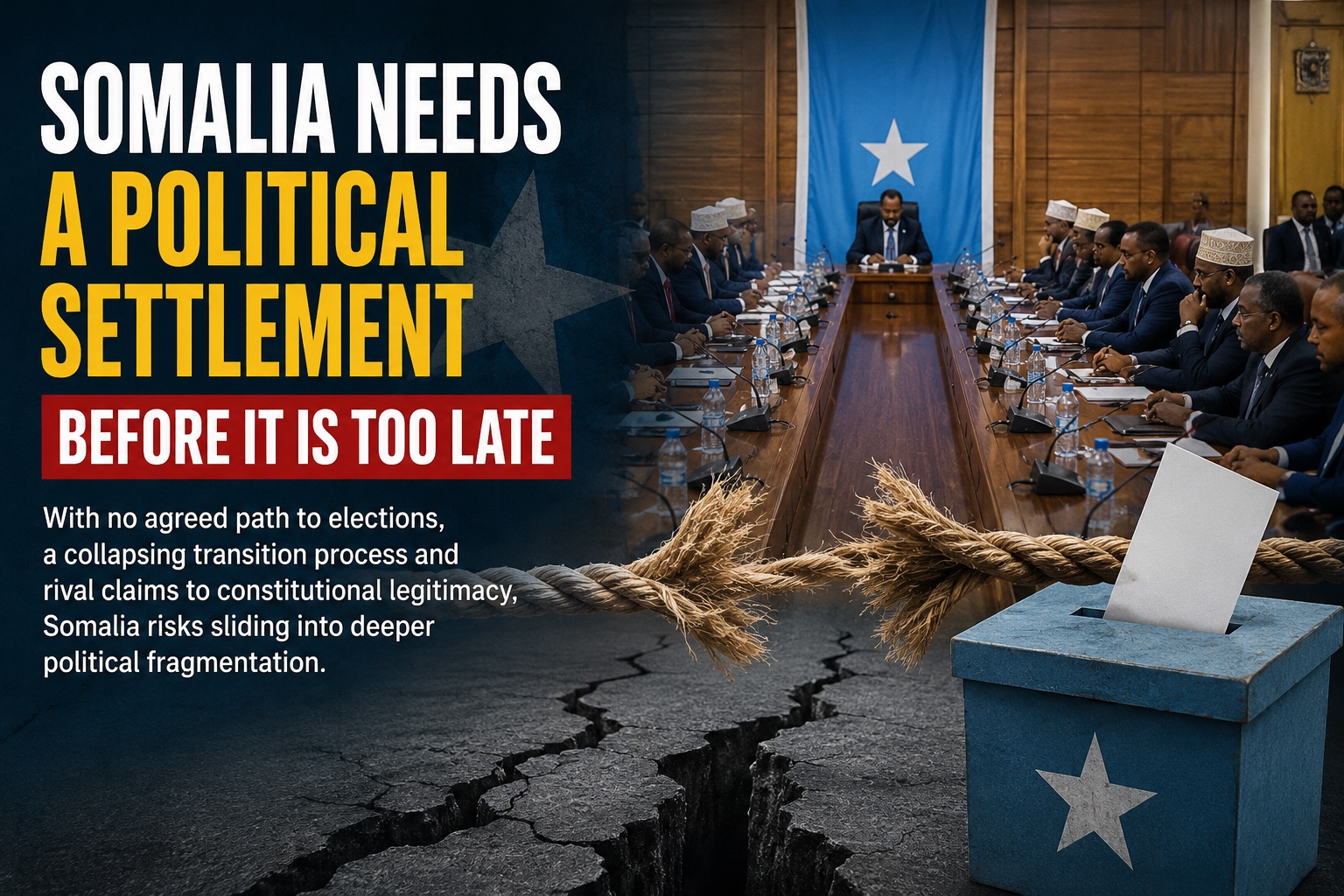

MOGADISHU, Somalia — Somalia is facing one of the most serious political crises in recent years as disputes over elections, constitutional authority, and power-sharing threaten to deepen instability across the country.
With no widely accepted roadmap for future elections and growing tensions between federal institutions, regional administrations, and opposition groups, political observers warn that Somalia risks sliding into further fragmentation unless leaders reach a comprehensive political settlement.
Waagacusub Media Network
Mogadishu, Somalia
The country's transition process has increasingly come under strain amid disagreements over constitutional reforms, electoral arrangements, and the balance of power between Mogadishu and federal member states.
Critics argue that political polarization has weakened national institutions and diverted attention from pressing challenges including security, economic development, displacement, and humanitarian needs.
Opposition leaders have accused the federal government of concentrating power and limiting political space, while government officials insist that ongoing reforms are necessary to strengthen national governance and complete Somalia's state-building process.
At the center of the dispute is the question of legitimacy. Rival political actors increasingly claim constitutional authority, creating uncertainty over the future direction of the country and raising concerns about institutional paralysis.
Analysts warn that failure to achieve political consensus could have serious consequences for national stability, potentially affecting security cooperation, international partnerships, and efforts to combat extremist groups.
Many civil society organizations, community leaders, and international partners have urged Somali stakeholders to engage in inclusive dialogue and prioritize national interests over political competition.
A negotiated political settlement, they argue, remains the only sustainable path toward credible elections, constitutional stability, and long-term peace.
As tensions continue to rise, the coming months may prove decisive for Somalia's future. Without compromise and meaningful dialogue, the country risks entering a new phase of political uncertainty at a time when unity and stability are needed most.
By Staff Reporter
Waagacusub Media Network
Mogadishu, Somalia




SOMALIA AT A CROSSROADS: DIALOGUE OR DIVISION?
MOGADISHU, Somalia — Somalia is facing one of the most serious political crises in recent years as disputes over elections, constitutional authority, and power-sharing threaten to deepen instability across the country. With no widely accepte