ALSO IN THE NEWS

Renewed Fighting in Northern Ethiopia Raises Fears of Wider Tigray Conflict
 0
0
Thursday September 24, 2026 - 17:54:18 in Latest News by Super Admin
- Visits: 1128
-

- Share
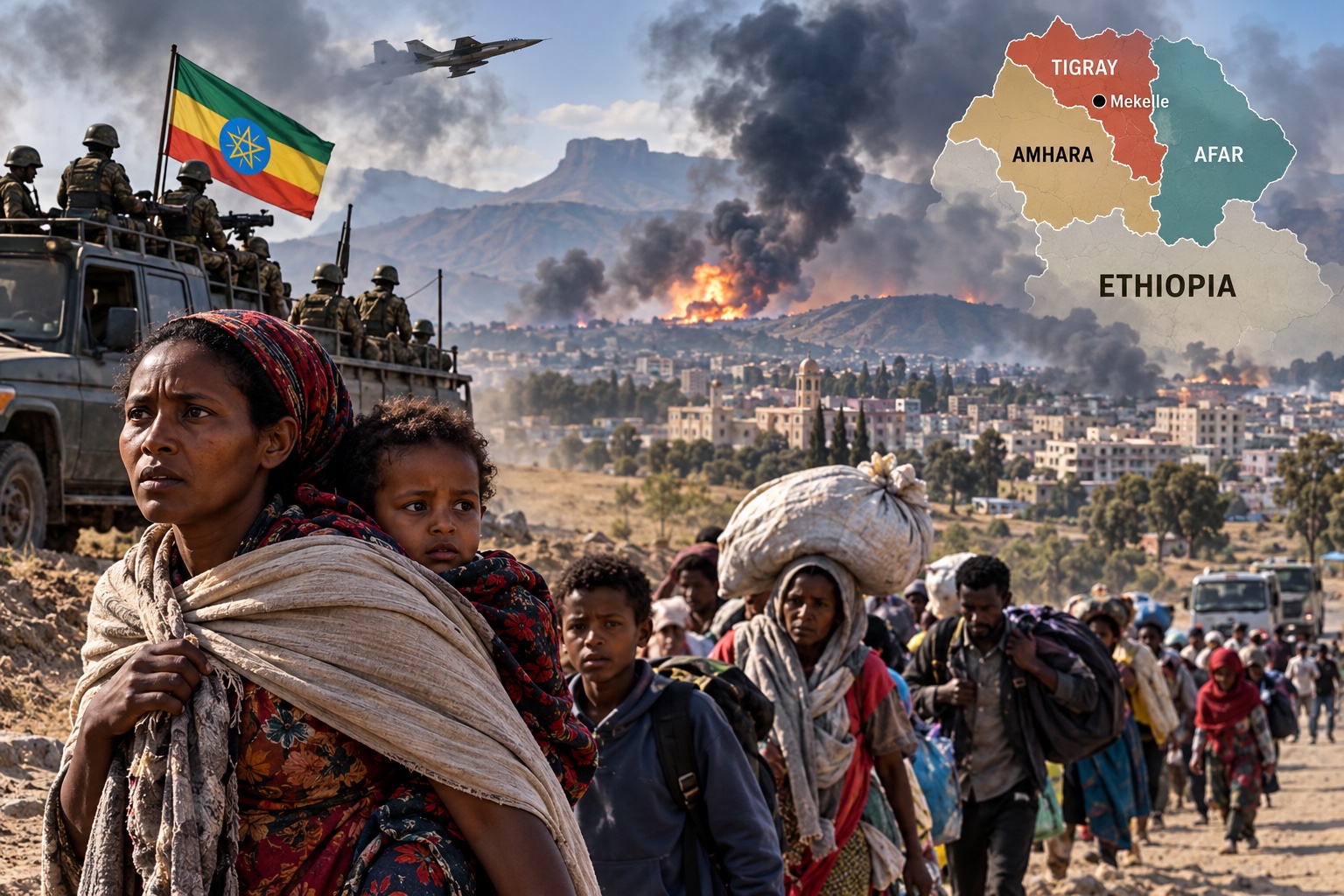

Renewed fighting in northern Ethiopia has raised fears of a broader military confrontation and renewed danger for civilians, as hostilities involving Ethiopian federal forces and forces aligned with the Tigray People's Liberation Front spread across Tigray, Amhara and Afar.
Waagacusub.net
NAIROBI | September 24, 2026
The latest escalation erupted on September 22, following weeks of mounting tensions and reported clashes and airstrikes in and around Ethiopia’s northern Tigray region, including near the regional capital, Mekelle.
The developments have revived concerns over the durability of the peace process that ended the devastating 2020–2022 Tigray war.
Human Rights Watch warned that civilians could once again face serious abuses if the fighting continues to escalate.
"The new hostilities in northern Ethiopia raise fears that civilians will face further abuses given the warring parties’ past atrocities and ongoing impunity,” said Laetitia Bader, deputy Africa director at Human Rights Watch.
Bader urged all parties to take necessary measures to protect civilians and civilian infrastructure and called on international actors to support effective monitoring of the conduct of forces involved in the fighting.
Fragile Peace Under Pressure
The renewed hostilities represent another major test for the peace agreement signed by the Ethiopian federal government and the TPLF in Pretoria, South Africa, in November 2022.
That agreement brought an end to two years of large-scale warfare in northern Ethiopia.
However, disputes over security arrangements, political authority, territorial control, displaced populations and implementation of the agreement have continued to fuel tensions.
The latest violence follows reported clashes and airstrikes in Tigray since August.
The widening geographical scope of the confrontation — involving areas of Tigray, Amhara and Afar — has increased concern that localized fighting could develop into a more sustained regional conflict.
Responsibility for individual outbreaks of fighting remains disputed, with rival sides presenting competing accounts of events.
Civilians Again at the Center of the Crisis
The greatest immediate concern is the safety of civilians.
Northern Ethiopia is still recovering from the humanitarian and economic consequences of the previous war, which displaced large numbers of people, devastated infrastructure and disrupted access to food, healthcare and other essential services.
A prolonged military confrontation could again restrict humanitarian access, disrupt transportation and markets, and force families from their homes.
Human Rights Watch said the history of serious abuses during the previous conflict makes civilian protection particularly urgent.
The organization called for all parties to comply with international humanitarian law and protect civilian infrastructure.
International Pressure for Restraint
The renewed fighting is also placing greater pressure on international and regional actors that helped facilitate the 2022 peace process.
The African Union played a central role in negotiating the Pretoria agreement, which was intended to provide a framework for resolving outstanding disputes through political dialogue rather than renewed warfare.
With tensions again escalating, attention is turning to whether regional and international diplomacy can prevent the situation from deteriorating further.
The immediate priority is preventing civilians from becoming casualties of another cycle of conflict.
For communities across northern Ethiopia, memories of the previous war remain fresh.
The events now unfolding in Tigray, Amhara and Afar will therefore be watched closely not only for their military significance, but for whether Ethiopia’s fragile peace framework can survive its latest and potentially most serious challenge.
By Dahir Alasow
Waagacusub.net
NAIROBI | September 24, 2026
© 2026 Waagacusub.net | All Rights Reserved





















Renewed Fighting in Northern Ethiopia Raises Fears of Wider Tigray Conflict
Renewed fighting in northern Ethiopia has raised fears of a broader military confrontation and renewed danger for civilians, as hostilities involving Ethiopian federal forces and forces aligned with the Tigray People's Liberation Front spread ac