According to political and diplomatic sources familiar with the developments, recent mediation efforts reportedly supported by the United States and the United Kingdom failed to produce a breakthrough between President Hassan Sheikh Mohamud’s administration and opposition groups amid rising tensions over governance, elections, and constitutional disputes.
In the aftermath of the failed talks, Ankara moved swiftly to strengthen its political role inside Somalia.
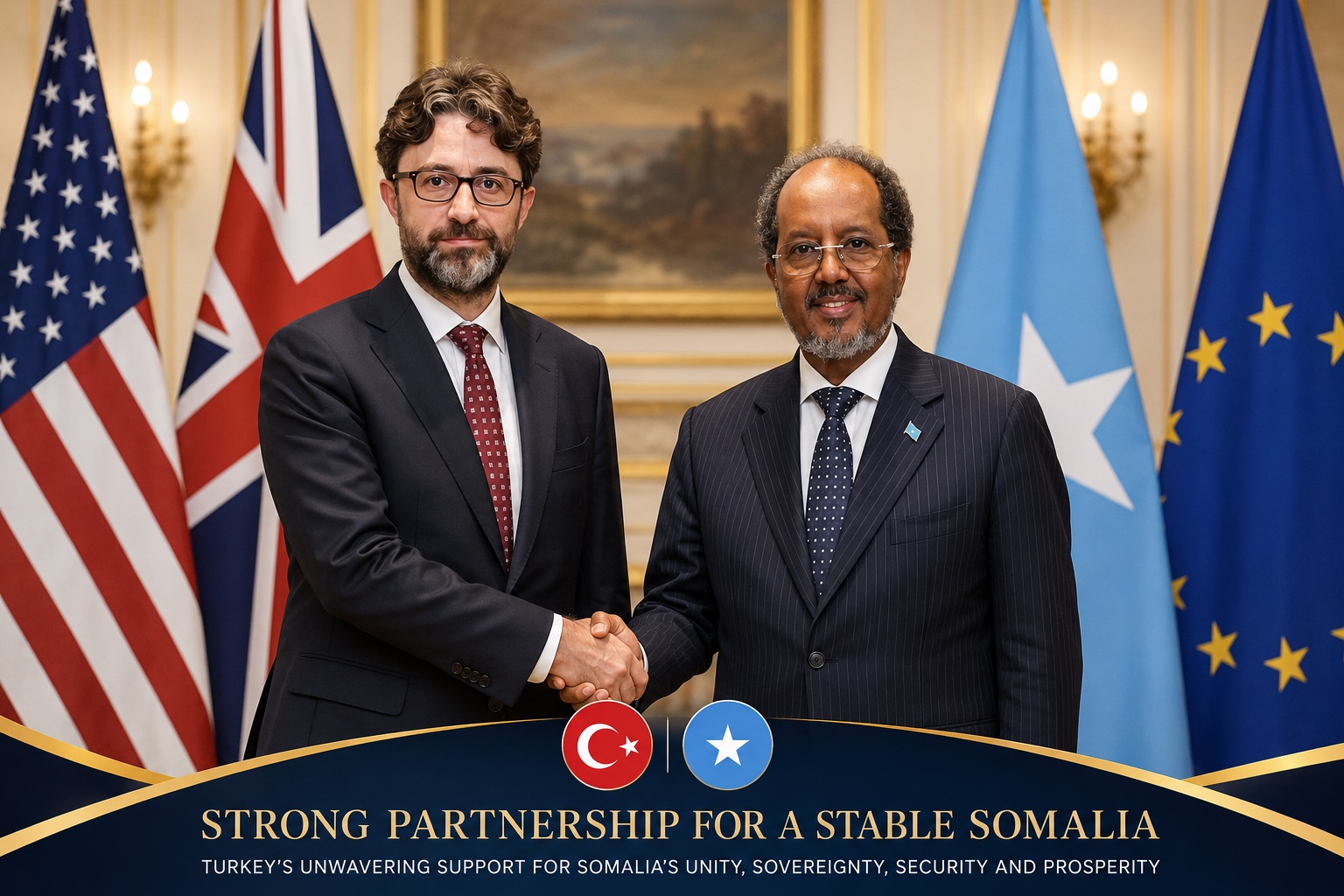
The latest indication of Turkey’s growing influence came after the Turkish Embassy in Mogadishu publicly announced a high-level meeting with President Hassan Sheikh Mohamud, emphasizing Ankara’s "steadfast support” for Somalia’s unity, sovereignty, security, and prosperity.
In an official statement released by the embassy, Turkey stated:
"We were honored to be received by the President of the Federal Republic of Somalia, H.E. Hassan Sheikh Mohamud. During the meeting, we reaffirmed our steadfast support for Somalia’s unity and territorial integrity, sovereignty, security, and prosperity.”
Political observers say the wording of the statement was highly significant, particularly Turkey’s direct and formal recognition of Hassan Sheikh Mohamud as the legitimate President of the Federal Republic of Somalia at a time of deep political polarization.
Diplomatic analysts believe Ankara is now seeking to take the lead in shaping Somalia’s political direction after Western-backed dialogue initiatives stalled.
Sources close to Somali political circles claim Turkey has also opened communication channels with opposition actors following the breakdown of previous negotiations. The reported objective is to create a new political dialogue framework under Turkish facilitation rather than Western sponsorship.
Turkey has become one of Somalia’s most influential international partners over the past decade, maintaining extensive military, economic, and infrastructure investments throughout the country. Ankara operates its largest overseas military training base in Mogadishu and has strategic interests tied to Red Sea security, maritime influence, and Somalia’s emerging energy sector.
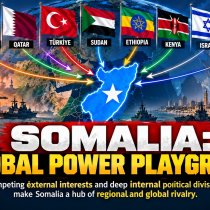
Analysts say the evolving situation reflects a broader regional power competition in the Horn of Africa, where Turkey, Gulf states, Western governments, and other international actors are increasingly competing for political and strategic influence.
While neither Washington nor London has publicly commented on the reported diplomatic setback, political observers in Mogadishu argue that Turkey’s growing role signals a clear shift in external influence over Somalia’s internal political process.
As political uncertainty continues ahead of key national decisions, Ankara now appears positioned to play a central role in determining whether future negotiations between the Somali government and opposition leaders can move forward.

 0
0





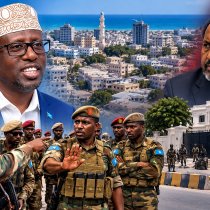



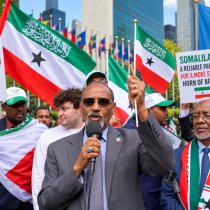
Turkey Emerges as Dominant Diplomatic Power in Somalia as U.S. and UK Influence Declines
MOGADISHU, SOMALIA — Turkey has rapidly positioned itself as the leading foreign political actor in Somalia following the collapse of internationally backed negotiations between Somalia's federal leadership and opposition figures, signalin