ALSO IN THE NEWS

Somali Diaspora Calls for Stronger Action as Women and Children Face Widespread Online Blackmail
 0
0
Wednesday December 24, 2025 - 00:13:56 in Latest News by Super Admin
- Visits: 2548
-

- Share
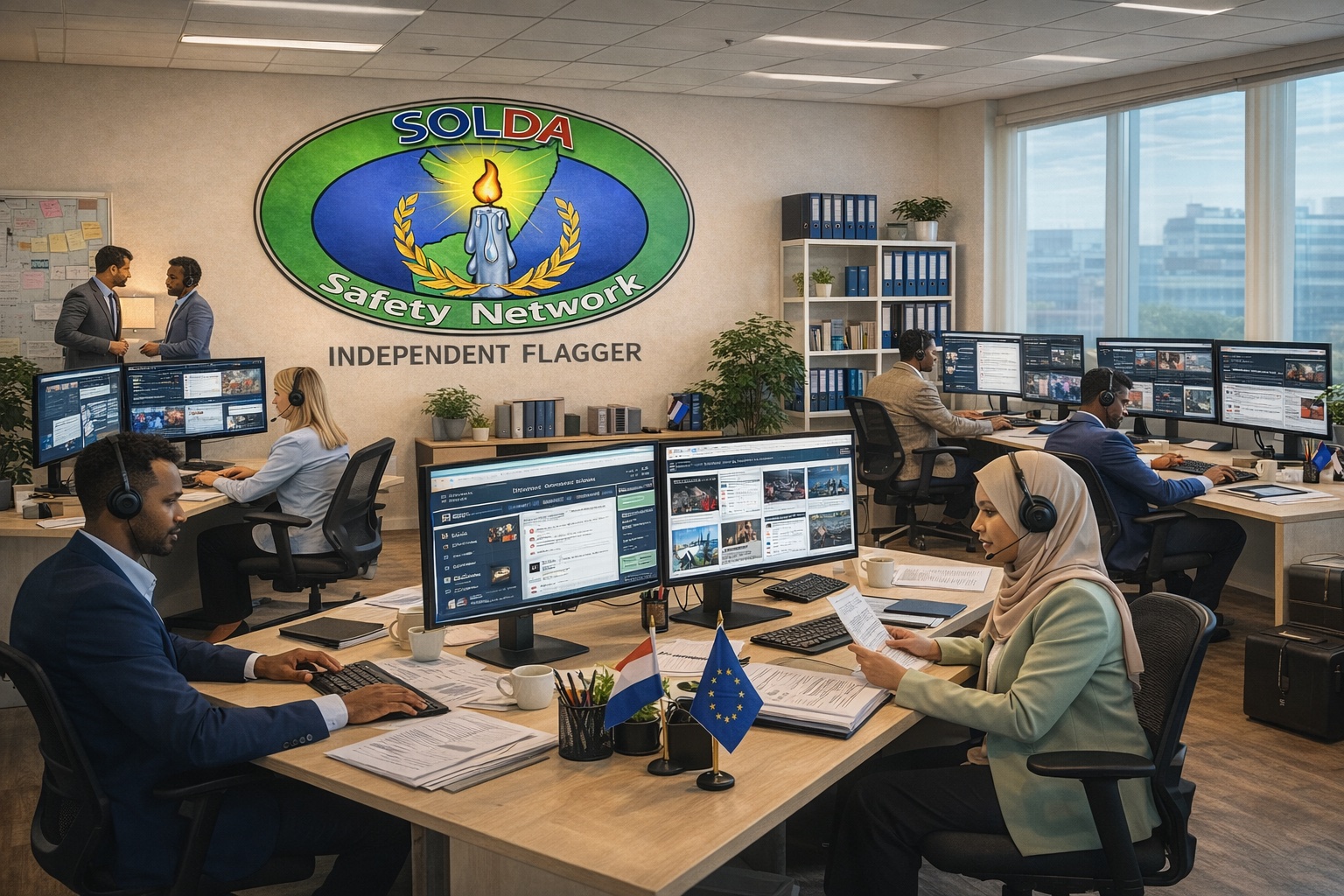

Across Europe and other parts of the world, Somali communities living in the diaspora are facing a growing and deeply concerning problem: the systematic blackmail and online abuse of women and children on social media platforms.
In recent years, cases of digital extortion, threats, and harassment have increased significantly. Victims are often targeted through platforms such as TikTok, Facebook, Instagram, and YouTube, where private images, videos, or fabricated content are used to intimidate, shame, and extort money or silence individuals.
Community advocates report that many victims suffer in silence due to fear, stigma, and lack of access to independent support structures. In particular, women and minors are disproportionately affected, facing psychological harm, reputational damage, and long-term social consequences.
Growing Need for Independent Flagging and Monitoring
Experts and civil society organizations stress that the problem is not only criminal behavior itself, but also the lack of effective, independent mechanisms to identify and report illegal online content in a timely and professional manner.
Independent flagging initiatives play a critical role by:
Monitoring publicly accessible content on social media,
Documenting patterns of harassment and blackmail,
Submitting structured reports through official platform channels,
Supporting victims by ensuring harmful content is properly identified and addressed.
Without such independent oversight, many harmful cases remain unreported or unresolved, allowing perpetrators to continue operating across borders with little accountability.
Community-Based Response
Organizations such as Solda Safety Network, a Netherlands-registered non-profit foundation, focus on addressing these challenges by monitoring online abuse and reporting illegal digital content in line with European law and platform policies.
By operating independently and without commercial interests, such initiatives aim to strengthen digital safety, protect vulnerable individuals, and contribute to a safer online environment for Somali communities and the wider public.
A Call for Awareness and Responsibility
Community leaders emphasize that combating online blackmail requires cooperation between victims, civil society, social media platforms, and regulators. Awareness, early reporting, and independent monitoring are essential to prevent further harm and to protect those most at risk.
As digital spaces continue to shape everyday life, the protection of women and children online is increasingly seen as not only a community concern, but a broader human rights and public safety issue.





















Somali Diaspora Calls for Stronger Action as Women and Children Face Widespread Online Blackmail
Across Europe and other parts of the world, Somali communities living in the diaspora are facing a growing and deeply concerning problem: the systematic blackmail and online abuse of women and children on social media platforms. In recent years, c