ALSO IN THE NEWS

Trump Threatens to Target Iran's Power Grid as Tensions Escalate, Raising Global Economic Concerns
 0
0
Saturday April 04, 2026 - 16:00:30 in Latest News by Super Admin
- Visits: 2667
-

- Share
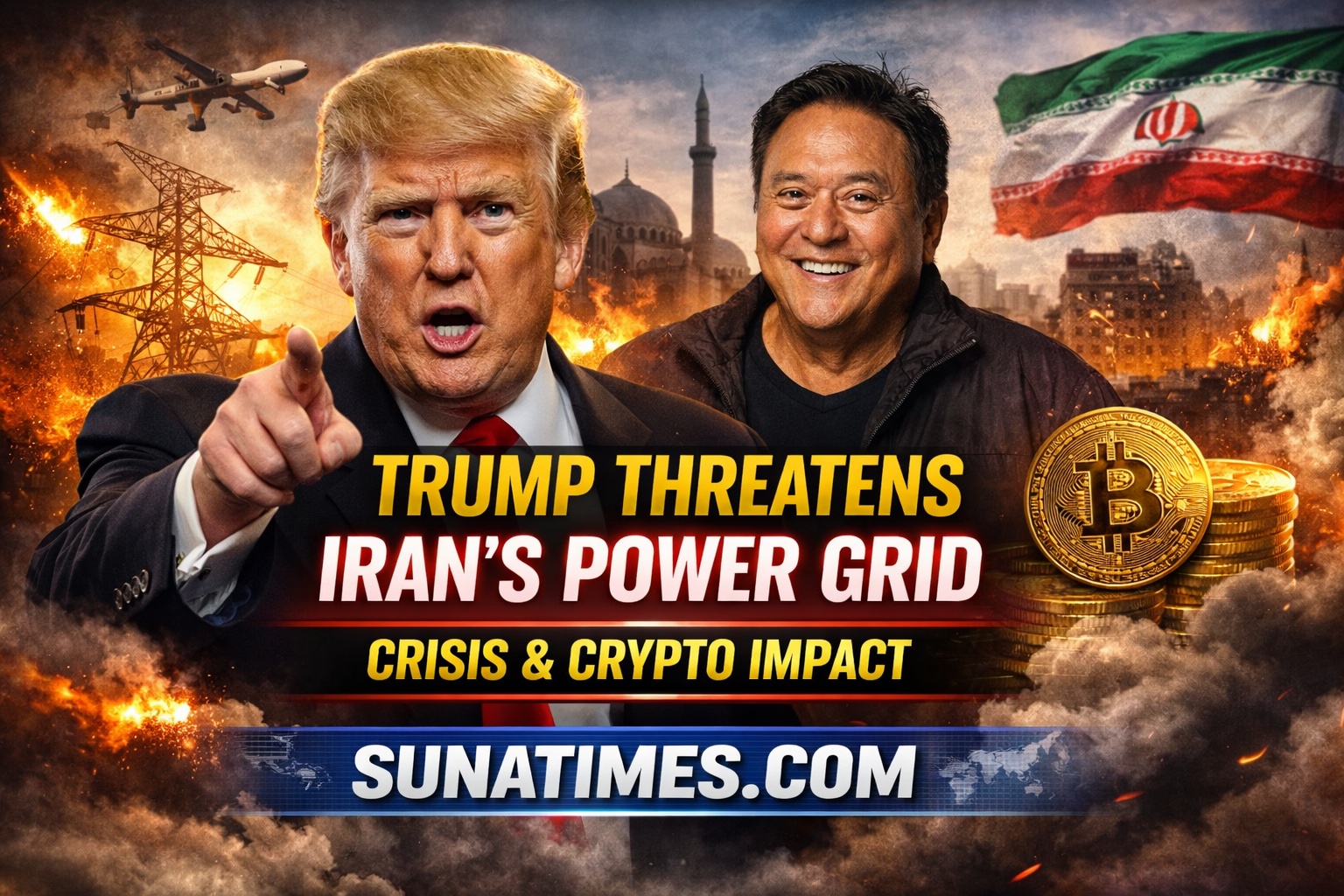

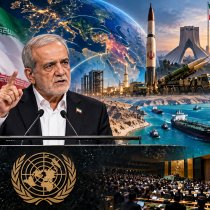
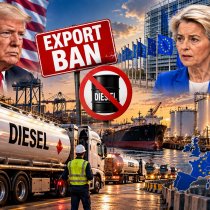
WASHINGTON / TEHRAN (Sunatimes) – U.S. President Donald Trump has issued a stark warning to Iran, threatening to strike the country's power infrastructure if Tehran fails to reopen the strategically vital Strait of Hormuz, escalating tensions in an already volatile region.
According to multiple reports, Trump gave Iran a 48-hour ultimatum, warning that the United States would "hit and obliterate" Iranian power plants—starting with the largest facilities—if shipping through the Strait is not fully restored.
Global Impact: Energy, Markets, and Instability
U.S. President Donald Trump has warned that the United States could target Iran’s power infrastructure if Tehran fails to reopen the Strait of Hormuz, escalating tensions with potentially far-reaching global consequences—including for fragile economies like Somalia.
The Strait of Hormuz remains one of the world’s most critical energy corridors, handling nearly 20% of global oil shipments, meaning any disruption could trigger a surge in fuel prices worldwide.
A New Type of Economic Warfare
Trump’s warning signals a shift toward targeting economic infrastructure, including electricity systems that sustain both industry and digital activity.
Iran has responded with strong warnings, stating it would retaliate against regional energy facilities if its own infrastructure is attacked—raising fears of a wider Middle East conflict.
Iran, Bitcoin, and Sanctions Survival
Iran has increasingly used Bitcoin mining as a workaround to U.S. sanctions. Since legalizing crypto mining in 2019, Tehran has leveraged its low-cost electricity to generate digital revenue streams.
However, experts emphasize that Bitcoin remains a supplementary income source, while Iran’s economy still relies heavily on oil exports and domestic production.
Global Impact: Energy, Markets, and Instability
Markets have already reacted nervously to the escalation:
Oil prices are expected to rise
Cryptocurrency markets have shown volatility
Global supply chains face uncertainty
Analysts warn that any attack on energy infrastructure could destabilize not only the Middle East but also economies dependent on imports and remittances.
Somalia: A Hidden Risk in Global Tensions
For Somalia, the crisis highlights a deeper structural vulnerability.
Somalia’s economy is heavily dependent on:
The U.S. dollar (USD) as a primary currency
Remittances from the diaspora
Imported fuel and goods
If global tensions disrupt financial systems or energy markets:
Fuel prices in Somalia could rise sharply
Cost of living would increase
Remittance flows could face indirect pressure
Unlike countries with diversified economies, Somalia lacks strong financial independence mechanisms, making it more exposed to external shocks.
What If Dollar Access Is Restricted?
Experts warn that if Somalia were ever cut off from dollar-based systems:
The national economy could face severe instability
Informal financial systems (mobile money) would become critical
Alternative solutions such as regional trade or digital currencies might emerge
However, Somalia currently lacks the infrastructure and regulation needed to fully adopt such alternatives.
Conclusion
Trump’s threat to Iran goes beyond military signaling—it underscores how modern conflicts increasingly target energy and financial systems.
For countries like Somalia, the situation is a stark reminder of the risks of economic dependence in an interconnected world.
Without long-term strategies for financial independence, fragile economies remain vulnerable to global geopolitical shocks far beyond their borders.
By Dahir Alasow | Sunatimes.com















Trump Threatens to Target Iran's Power Grid as Tensions Escalate, Raising Global Economic Concerns
WASHINGTON / TEHRAN (Sunatimes) – U.S. President Donald Trump has issued a stark warning to Iran, threatening to strike the country's power infrastructure if Tehran fails to reopen the strategically vital Strait of Hormuz, escalating tensi