ALSO IN THE NEWS

Somalia at a Crossroads: Constitutional Erosion and the Rise of Power Politics in Mogadishu
 0
0
Thursday April 16, 2026 - 18:29:04 in Latest News by Super Admin
- Visits: 3993
-

- Share
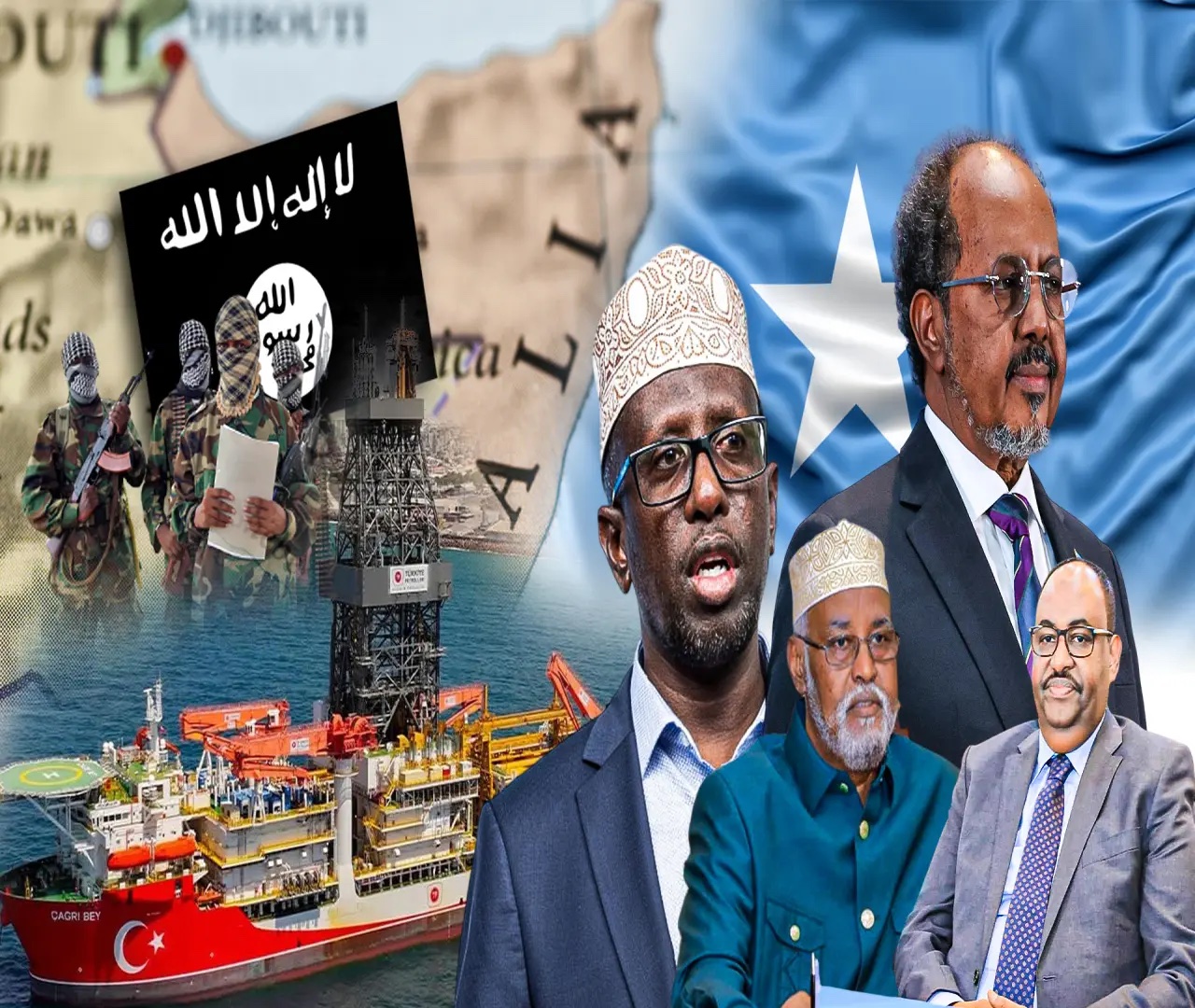

What is unfolding in Mogadishu is not a routine political delay—it is a systematic erosion of democratic legitimacy, increasingly replaced by power sustained through force and external backing.
The term of Somalia's Federal Parliament expired on April 14, 2026, while President Hassan Sheikh Mohamud is set to reach the end of his mandate on May 15, 2026. However, in early March 2026, Parliament approved controversial constitutional amendments extending both mandates from four to five years, effectively postponing elections until 2027.
Conclusion: A Nation Running Out of Time
This move has raised serious concerns about the credibility of Somalia’s democratic framework, suggesting a shift from constitutional governance to political survival.
Constitutional Manipulation and Declining Legitimacy
Somalia’s Provisional Constitution was originally designed as a flexible social contract. However, on March 4, 2026, the Federal Government took a decisive step away from that principle.
Parliament passed sweeping amendments that:
Introduce a one-person, one-vote electoral system
Delay national elections until 2027
Rather than strengthening democracy, these changes have transformed the constitution into a political instrument used to prolong executive authority.
Emergence of Rival Political Authority
While Mogadishu consolidates power, an opposing political bloc is emerging from federal member states.
The Somali Future Council (SFC), led by:
Said Abdullahi Deni
Ahmed Mohamed Islam Madobe
has strongly rejected the constitutional changes, labeling them a "constitutional coup.”
The SFC is now planning a National Salvation Conference aimed at establishing a transitional authority after May 15, 2026—what they consider the legitimate end of the current administration.
This creates a credible risk of:
Parallel governments
Competing claims of authority
Escalating political confrontation
Militarization of Politics
The lifting of the arms embargo by the United Nations in 2023 was intended to restore Somalia’s sovereignty.
However, in the absence of strong oversight, military assets are increasingly being used for internal political purposes.
On March 30, 2026, federal forces dismantled the South West administration following a political dispute—an operation widely seen as targeting political opposition rather than extremist threats.
This signals a dangerous shift:
National forces being used as political tools
Internal disputes resolved through coercion
Regional Security Implications
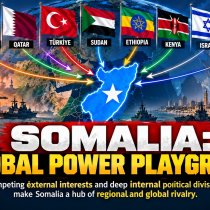
The expansion of Somalia’s military capabilities, including the deployment of drones such as the Bayraktar TB2, is altering the regional security balance.
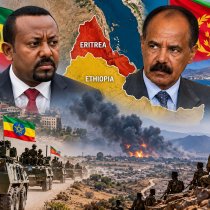
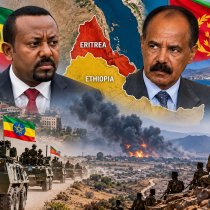
Neighboring countries like Ethiopia view the growing concentration of armed forces in Mogadishu—combined with alliances involving Turkey and Egypt—as a potential strategic threat.
Meanwhile, poorly controlled weapons flows risk diversion to groups like Al-Shabaab, further destabilizing the region.
Resource Politics and Strategic Timing
On April 10, 2026, the offshore drilling vessel Cagri Bey docked at Mogadishu Port, marking a significant step in Somalia’s energy ambitions.
While officially presented as an economic milestone, the timing raises political questions.
Key concerns include:
Lack of broad federal consensus on resource agreements
Long-term contracts (up to 50 years) signed under fragile political conditions
Such deals risk fueling future disputes rather than promoting sustainable development.
Al-Shabaab’s Strategic Advantage
As political tensions intensify, Al-Shabaab is capitalizing on the instability.
Regions such as:
Hiiraan
Middle Shabelle
are witnessing renewed militant activity.
Historically, the group has expanded its influence during periods of political fragmentation—making the current crisis particularly dangerous.
International Silence
Despite clear warning signs, the response from:
African Union
United Nations
remains limited.
Silence in this context is not neutrality—it risks enabling further deterioration.
Conclusion: A Nation Running Out of Time
Somalia is approaching a critical breaking point:
Constitutional order is weakening
Federal unity is under strain
Political power is increasingly maintained through force
A pathway to stability still exists—through genuine national dialogue and inclusive political compromise.
But time is rapidly running out.
The question is no longer whether Somalia is at risk—
It is whether there is still enough time to prevent a deeper national crisis before May 15, 2026.
By Dahir Alasow







Somalia at a Crossroads: Constitutional Erosion and the Rise of Power Politics in Mogadishu
What is unfolding in Mogadishu is not a routine political delay—it is a systematic erosion of democratic legitimacy, increasingly replaced by power sustained through force and external backing. The term of Somalia's Federal Parliament e