ALSO IN THE NEWS

Israel's Hargeisa Visit and the Erosion of International Legal Norms An Opinion and Legal Analysis
 0
0
Tuesday January 06, 2026 - 19:20:42 in Latest News by Super Admin
- Visits: 2638
-

- Share
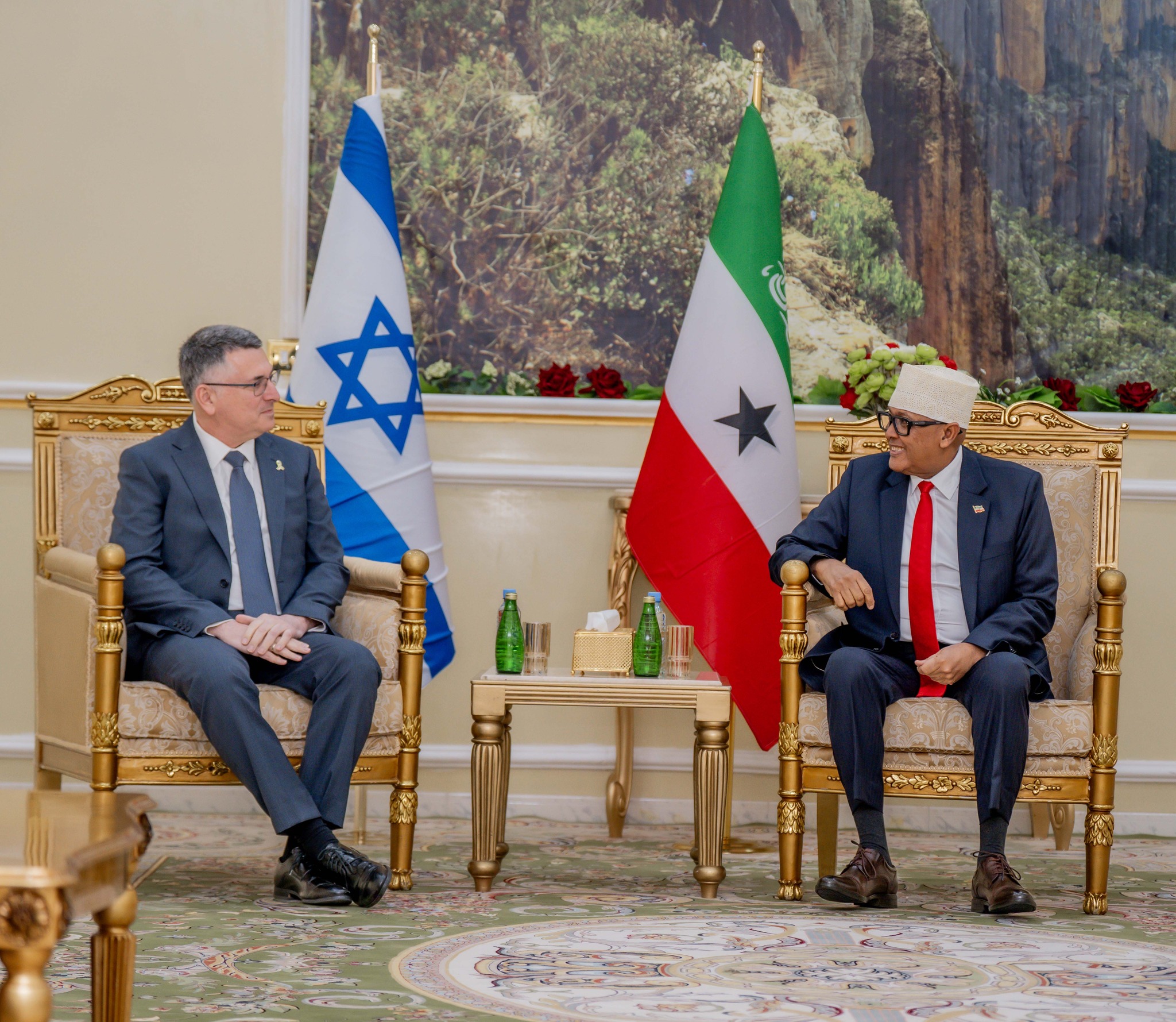

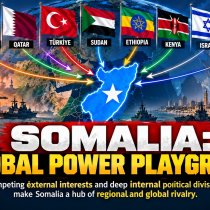
The recent unauthorized visit by Israel's Minister of Foreign Affairs to Hargeisa has triggered a sharp diplomatic response from the Federal Republic of Somalia, exposing not only a bilateral dispute but also a broader challenge to the integrity of the international legal order.
Somalia's position, articulated clearly in its official press statement of January 6, 2026, is neither novel nor ambiguous: Hargeisa lies within Somalia's internationally recognized borders, and any foreign official engagement conducted there without the explicit consent of the Federal Government constitutes a violation of Somalia's sovereignty, territorial integrity, and political unity. This is not merely a political assertion; it is a position firmly grounded in binding principles of international law.
A Dangerous Diplomatic Precedent
From a geopolitical perspective, the visit represents a troubling precedent. When a state engages with a sub-national entity in a sovereign country without authorization, it risks legitimizing unilateral secessionist claims and undermining the foundational principle of sovereign equality upon which international relations are built.
Somalia remains a fully recognized Member State of the United Nations, with borders affirmed by decades of international practice, multilateral recognition, and regional consensus. Any deviation from this framework—especially by a UN Member State—raises serious concerns about selective adherence to international norms.
If normalized, such conduct could embolden similar actions elsewhere, destabilizing fragile regions and weakening the collective legal architecture designed to prevent territorial fragmentation through external interference.
International Law Perspective: Clear Violations
From a legal standpoint, the unauthorized visit stands in direct contradiction to several well-established instruments of international law.
First, Article 2(4) of the UN Charter obliges all Member States to respect the territorial integrity and political independence of other states. While often discussed in the context of military force, this obligation also extends to political and diplomatic conduct that interferes with a state’s internal affairs.
Second, the Constitutive Act of the African Union explicitly affirms the respect of borders existing at independence (uti possidetis juris). This principle has been consistently upheld to prevent territorial disputes and preserve stability across Africa. Any foreign engagement that implicitly challenges this principle runs counter to the AU’s legal framework.
Third, customary international law prohibits recognition—explicit or implicit—of illegal territorial situations. Diplomatic visits, official meetings, or symbolic acts carried out without the consent of the recognized sovereign authority may amount to implied recognition, even if not formally declared.
Hargeisa’s Legal Status Is Not Ambiguous
Despite political narratives to the contrary, the legal status of Hargeisa is not disputed under international law. No state or international organization has recognized Somaliland as an independent state. Consequently, all official foreign relations concerning Somali territory must be conducted through Mogadishu.
Any attempt to bypass the Federal Government not only lacks legal validity but is considered null and void under international law, as Somalia’s Ministry of Foreign Affairs correctly emphasized.
Regional and Multilateral Responsibility
Somalia’s call upon the League of Arab States, the Organization of Islamic Cooperation, and other international partners is both timely and necessary. Silence or ambiguity in the face of such violations risks being interpreted as acquiescence.
Multilateral institutions bear a responsibility to reaffirm, unequivocally, their commitment to Somalia’s unity and internationally recognized borders—not merely as a gesture of solidarity, but as a defense of the rules-based international system itself.
Conclusion: Law Must Prevail Over Expediency
Somalia has reiterated its commitment to peaceful diplomacy and adherence to international law, while reserving its right to pursue appropriate diplomatic and legal remedies. This balanced approach reflects a broader truth: respect for international law is not optional, nor should it be subordinated to short-term geopolitical calculations.
The issue at hand transcends Somalia and Israel. It strikes at the heart of whether international law remains a meaningful constraint on state behavior—or whether it will be selectively applied, to the detriment of global stability.
For Somalia, the legal case is clear. The challenge now lies with the international community: to uphold the principles it claims to defend, consistently and without exception.
By Dahir Alasow
Sunatimes News Agency












Israel's Hargeisa Visit and the Erosion of International Legal Norms An Opinion and Legal Analysis
The recent unauthorized visit by Israel's Minister of Foreign Affairs to Hargeisa has triggered a sharp diplomatic response from the Federal Republic of Somalia, exposing not only a bilateral dispute but also a broader challenge to the integrity